Nearly half the adult U.S. population has high blood pressure, or hypertension. In 2024, hypertension affected approximately 1.4 billion adults worldwide.1Saleh O, Rehan N, Mostafa S, Qayyum R. Trends in hypertension prevalence and control in the United States over 25 years. J Clin Hypertens (Greenwich). 2026 Feb;28(2):e70216. https://doi.org/10.1111/jch.70216
Hypertension increases the likelihood of heart disease and stroke. It may also heighten the risk of other serious conditions, including dementia, atrial fibrillation, vision loss, and chronic kidney disease.2Kokubo Y, Iwashima Y. Higher blood pressure as a risk factor for diseases other than stroke and ischemic heart disease. Hypertension. 2015;66(2). https://doi.org/10.1161/HYPERTENSIONAHA.115.03480
Identifying and treating high blood pressure
High blood pressure is often referred to as a “silent killer” because there are typically no warning signs or symptoms. Many people don’t know they have it.
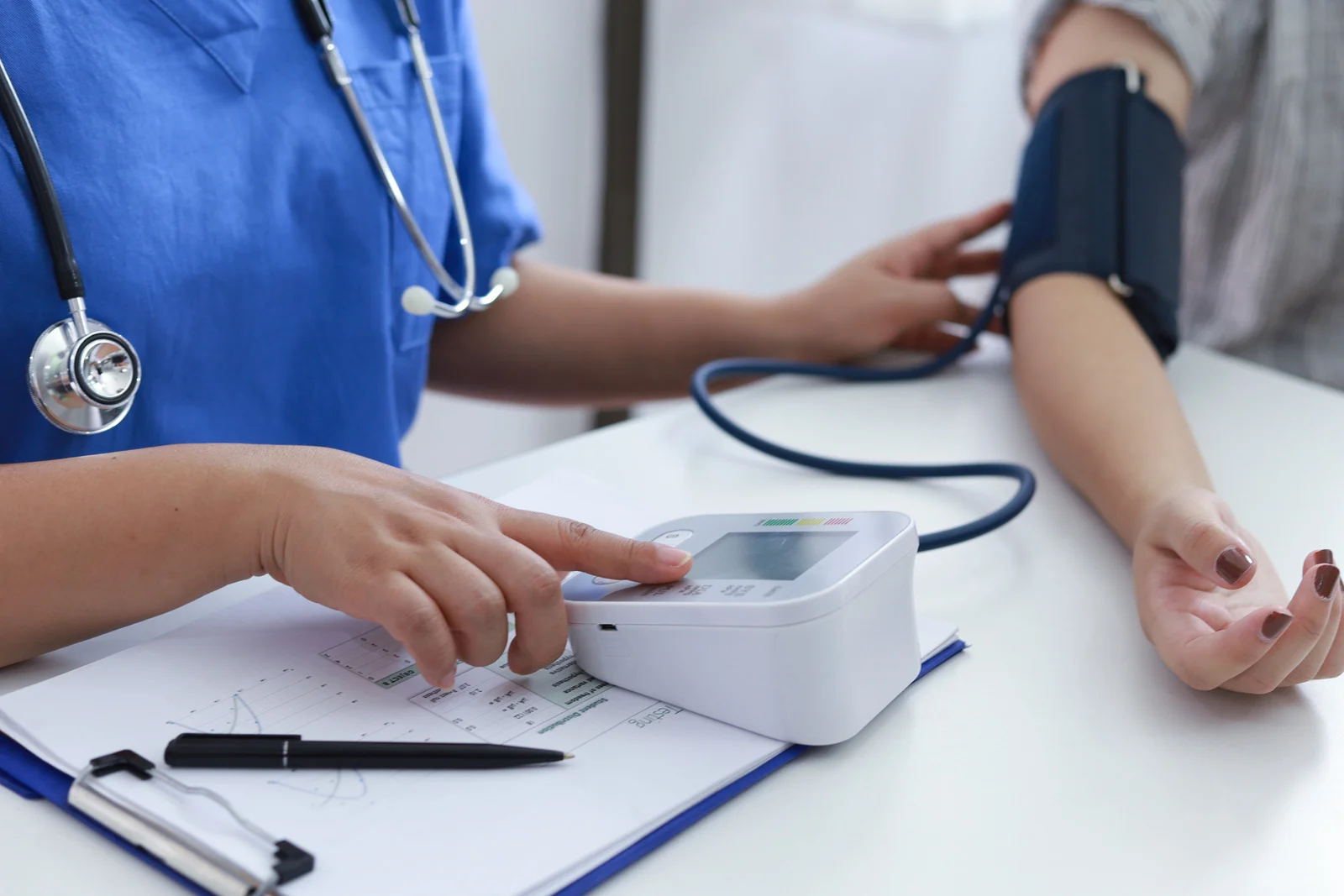
Virtually every pharmacy and most grocery stores have blood pressure monitors, but because of variables like cuff fit, infrequent calibration checks, and stress while shopping, some experts say they are an unreliable gauge. To better determine if levels are high, use an electric monitor at home or visit your doctor.3Desai AN. High blood pressure. JAMA. 2020;324(12):1254-1255. https://doi.org/10.1001/jama.2020.11289
What you’re measuring is pressure created by blood pulsating through the arteries. Normal readings are less than 120/80 mm Hg; more than one recorded result above 130/80 mm Hg at home or a doctor’s office is considered high. The top number is systolic blood pressure, which represents the force of blood against the artery as it’s pumped. The bottom number is diastolic blood pressure, which indicates pressure levels when the heart is at rest. Because blood pressure fluctuates with daily activities, it helps to take it at different times. If the reading is consistently above normal, hypertension is likely a problem.
Treating high blood pressure typically involves lifestyle modifications, such as losing excess weight, increasing physical activity, lowering salt intake, eating more potassium-rich foods, limiting alcohol, controlling stress, improving sleep quality, and avoiding tobacco.3Desai AN. High blood pressure. JAMA. 2020;324(12):1254-1255. https://doi.org/10.1001/jama.2020.11289,4Spruill TM. Chronic psychosocial stress and hypertension. Curr Hypertens Rep. 2010 Feb;12(1):10-6. https://doi.org/10.1007/s11906-009-0084-8 Evaluating secondary causes, such as kidney disease, sleep apnea, primary aldosteronism, thyroid disorders, and medication effects, is also important.
Although there are many medications for hypertension, side effects are a concern.4Spruill TM. Chronic psychosocial stress and hypertension. Curr Hypertens Rep. 2010 Feb;12(1):10-6. https://doi.org/10.1007/s11906-009-0084-8 Side effects are often manageable. Potassium and/or sodium deficiency, fluid retention, slowed heart rate, constipation, fatigue, depression, dehydration, headaches, dizziness, and other adverse reactions are common but can vary by drug.5Khalil H, Zeltser R. Antihypertensive medications. StatPearls. 2023;May 8. https://www.ncbi.nlm.nih.gov/books/NBK554579/?report=reader#_NBK554579_pubdet_ Antihypertensives may reduce the risk of stroke, heart attack, heart failure, and kidney complications.
Daniel Chong, ND, creator of Vital-Human.com, notes key differences between mainstream and complementary treatment. “The conventional approach to treating hypertension is often more about controlling normal physiological processes that increase blood pressure versus emphasizing the importance of identifying and addressing underlying reasons for their dysfunction,” he says. “I place heavy emphasis on the health of the vascular wall itself, and I look at the many things that can impact the vascular wall, either positively or negatively, which can lead to increased blood pressure.”
Managing high blood pressure with diet
A diet high in fatty fish,6Zhang X, Ritonja JA, Zhou NA, et al. Omega-3 polyunsaturated fatty acids intake and blood pressure: a dose-response meta-analysis of randomized controlled trials. J Am Heart Assoc. 2022;11(11). https://doi.org/10.1161/JAHA.121.025071 fruit, and vegetables, and low in dairy and meat, can help tame inflammation and lessen the risk of heart disease.
“It’s especially important to optimize the balance of potassium [and] sodium in the diet,” says Dr. Chong, “reducing or eliminating foods that harm endothelial function and adding foods and nutrients that improve it.”
Dietary Approaches to Stop Hypertension (DASH) is the most studied diet for decreasing blood pressure. Fruit, vegetables, whole grains, and lean proteins are the mainstays, with minimal sodium, sugar, processed foods, and saturated fats.7Onwuzo C, Olukorode J, Omokore O, et al. DASH diet: a review of its scientifically proven hypertension reduction and health benefits. Cureus. 2023;15(9). https://doi.org/10.7759/cureus.44692 The emphasis is on nutrient-dense foods that contain essential minerals for controlling hypertension, such as calcium, magnesium, and potassium.5Khalil H, Zeltser R. Antihypertensive medications. StatPearls. 2023;May 8. https://www.ncbi.nlm.nih.gov/books/NBK554579/?report=reader#_NBK554579_pubdet_ Moreover, DASH can support healthy weight loss, which positively affects blood pressure.8Challa HJ, Ameer M, Uppaluri KR. DASH diet to stop hypertension. StatPearls. 2023;Jan 23. https://www.ncbi.nlm.nih.gov/books/NBK482514/?report=reader#_NBK482514_pubdet_
The Mediterranean diet is also widely touted for heart health. Centering on whole, unprocessed foods and healthy fats, such as olive oil, could help reduce blood pressure while encouraging weight loss.9Magriplis E, Panagiotakos D, Kyrou I, et al. Presence of hypertension is reduced by Mediterranean diet adherence in all individuals with a more pronounced effect in the obese: the Hellenic National Nutrition and Health Survey (HNNHS). Nutrients. 2020;12(3):852. https://doi.org/10.3390/nu12030853
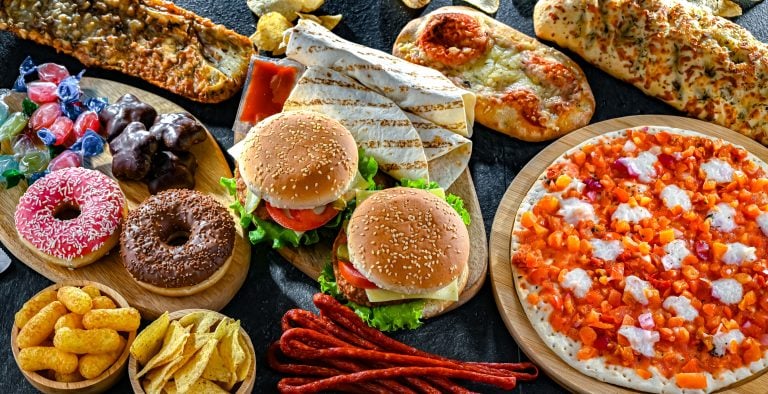
Dr. Chong advises patients to significantly cut back on ultra-processed foods (UPFs) high in sugar, salt, or fat. Research is clear that UPFs (packaged snacks, candy, ice cream, sugary drinks, fast food, and other processed products) contribute to high blood pressure.10Barbosa S, Sousa L, Silva D, et al. A systematic review on processed/ultra-processed foods and arterial hypertension in adults and older people. Nutrients. 2022;14(6):1215. https://pmc.ncbi.nlm.nih.gov/articles/PMC8955286 They may also increase the risk of other conditions, such as obesity, insulin resistance, and heart disease.11Juul F, Vaidean G, Parekh N. Ultra-processed foods and cardiovascular diseases: potential mechanisms of action. Adv Nutr. 2021;12(5):1673-1680. https://doi.org/10.1093/advances/nmab049
Alternative strategies to address hypertension
Physical activity is a powerful way to manage blood pressure, weight, and stress. A large 2023 analysis of 270 randomized controlled trials found that exercise training, specifically isometric strength training, improved resting blood pressure.12Edwards JJ, Deenmamode A, Griffiths M, et al. Exercise training and resting blood pressure: a large-scale pairwise and network meta-analysis of randomized controlled trials. Br J Sports Med. 2023;57(20). https://bjsm.bmj.com/content/57/20/1317 Daily walking can also lower both systolic and diastolic levels.13Mansoor M, Hamer O, Sandrasekar K, et al. Walking as an intervention to reduce blood pressure in adults with hypertension: recommendations and implications for clinical practice. Br J Card Nurs. 2023;18(3). https://doi.org/10.12968/bjca.2022.0119
Although chronic stress and high blood pressure are linked,14Marwaha K. Examining the role of psychosocial stressors in hypertension. J Prev Med Public Health. 2022;55(6):499-505. https://doi.org/10.3961/jpmph.21.266 simple meditative techniques, such as progressive muscle relaxation and diaphragmatic breathing, can bring it back down, lessening anxiety at the same time.15Calderone A, Marafioti G, Latella D, et al. Effectiveness of relaxation techniques for stress management and quality of life improvement in cardiovascular disease and hypertensive patients: a systematic review. Psychol Health Med. 2025;30(7). https://www.tandfonline.com/doi/full/10.1080/13548506.2025.2458255#abstract Everyday stress management comes in many forms:
- Taking breaks from social media and news
- Mindfulness
- Journaling
- Spending time in nature, observing or being active
- Practicing gratitude
- Connecting with others and building relationships
Beetroot juice & other supplements
Combined with diet and lifestyle changes, some nutritional supplements help lower hypertension.
“When my patients are willing and able to change their diet and other relevant lifestyle factors, I typically see great results,” says Dr. Chong. “When they don’t or can’t change their diet, I see some benefits [with] magnesium, potassium, CoQ10, and nitrate sources, like beet powder and other nitric oxide supplements.”16Behers BJ, Behers BM, Stephonson-Moe CA, et al. Magnesium and potassium supplementation for systolic blood pressure reduction in the general normotensive population: a systematic review and subgroup meta-analysis for optimal dosage and treatment length. Nutrients. 2024;16(21). https://doi.org/10.3390/nu16213617,17Karimi M, Pirzad S, Hooshmand F, et al. Effects of coenzyme Q10 administration on blood pressure and heart rate in adults: a systematic review and meta-analysis of randomized controlled trials. Int J Cardiol Cardiovasc Risk Prev. 2025;26. https://doi.org/10.1016/j.ijcrp.2025.200424
According to a 2024 review of 11 clinical trials, 200 to 800 mg nitrate from beetroot juice helped reduce clinical systolic blood pressure compared with a placebo.18Gronroos R, Eggertsen R, Bernhardsson S, Bjork M. Effects of beetroot juice on blood pressure in hypertension according to European Society of Hypertension Guidelines: a systematic review and meta-analysis. NMCD. 2024;34(10):2240-2256. https://www.nmcd-journal.com/article/S0939-4753(24)00236-9/fulltext
Other heart health supplements include resveratrol, cherry juice, bergamot, barberry, pycnogenol, and garlic.19Lipert A, Szadkowska I, Matusiak-Wieczorek E, Kochan E. The effect of herbal supplements on blood pressure: a systematic review and meta-analysis. Antioxidants. 2022;11(8). https://doi.org/10.3390/antiox11081419,20Kamyab R, Namdar H, Torbati M, Ghojazadeh M, Araj-Khodaei M, Fazljou SMB. Medicinal plants in the treatment of hypertension: a review. Adv Pharm Bull. 2021 Sep;11(4):601-617. https://doi.org/10.34172/apb.2021.090 Product quality and dose, as well as a person’s current conditions and medications, should be discussed. In general, dietary supplement effects on hypertension take longer to see than medications.21Borghi C, Cicero AF. Nutraceuticals with a clinically detectable blood pressure-lowering effect: a review of available randomized clinical trials and their meta-analyses. Br J Clin Pharmacol. 2017 Jan;83(1):163-171. https://doi.org/10.1111/bcp.12902
A 2024 randomized trial found that vitamin D and calcium supplementation markedly lowered systolic and diastolic blood pressure in overweight older adults.22Rahme M, Al-Shaar L, Tamim H, Fuleihan G. Blood pressure decreases in overweight elderly individuals on vitamin D: a randomized trial. J Endocr Soc. 2024;8(12). https://doi.org/10.1210/jendso/bvae168 Addressing vitamin D deficiency decreases hypertension risk but does not effectively treat high blood pressure.23Khabaz F, Zaremoghadam E, Alivand S, et al. Impact of vitamin D deficiency on hypertension: a mini-review on recent insights. J. Parathyr. Dis. 2023;11. https://doi.org/10.34172/jpd.2023.11213
Supplements that reduce blood pressure may intensify the effects of antihypertensive medications and cause dizziness or excessively low blood pressure. Potassium supplements and potassium-containing salt substitutes could be dangerous for people with kidney disease or those taking ACE inhibitors, Angiotensin II receptor blockers, spironolactone, or other potassium-sparing medications. Botanicals like rauwolfia can interact with certain medications.
Lowering blood pressure: two high-impact changes
Dr. Chong says the “biggest challenges patients face are making necessary dietary changes (and sticking with those changes) and finding ways to reduce and respond better to stress. If they can accomplish those two key goals, there is a high likelihood their blood pressure will come down.”
Healthy habits play an important role in both preventing and managing hypertension. If you have a family history of high blood pressure or heart disease, ask your doctor how you can be proactive about heart health.
Footnotes
- 1Saleh O, Rehan N, Mostafa S, Qayyum R. Trends in hypertension prevalence and control in the United States over 25 years. J Clin Hypertens (Greenwich). 2026 Feb;28(2):e70216. https://doi.org/10.1111/jch.70216 ↩︎
- 2Kokubo Y, Iwashima Y. Higher blood pressure as a risk factor for diseases other than stroke and ischemic heart disease. Hypertension. 2015;66(2). https://doi.org/10.1161/HYPERTENSIONAHA.115.03480 ↩︎
- 3Desai AN. High blood pressure. JAMA. 2020;324(12):1254-1255. https://doi.org/10.1001/jama.2020.11289 ↩︎
- 4Spruill TM. Chronic psychosocial stress and hypertension. Curr Hypertens Rep. 2010 Feb;12(1):10-6. https://doi.org/10.1007/s11906-009-0084-8 ↩︎
- 5Khalil H, Zeltser R. Antihypertensive medications. StatPearls. 2023;May 8. https://www.ncbi.nlm.nih.gov/books/NBK554579/?report=reader#_NBK554579_pubdet_ ↩︎
- 6Zhang X, Ritonja JA, Zhou NA, et al. Omega-3 polyunsaturated fatty acids intake and blood pressure: a dose-response meta-analysis of randomized controlled trials. J Am Heart Assoc. 2022;11(11). https://doi.org/10.1161/JAHA.121.025071 ↩︎
- 7Onwuzo C, Olukorode J, Omokore O, et al. DASH diet: a review of its scientifically proven hypertension reduction and health benefits. Cureus. 2023;15(9). https://doi.org/10.7759/cureus.44692 ↩︎
- 8Challa HJ, Ameer M, Uppaluri KR. DASH diet to stop hypertension. StatPearls. 2023;Jan 23. https://www.ncbi.nlm.nih.gov/books/NBK482514/?report=reader#_NBK482514_pubdet_ ↩︎
- 9Magriplis E, Panagiotakos D, Kyrou I, et al. Presence of hypertension is reduced by Mediterranean diet adherence in all individuals with a more pronounced effect in the obese: the Hellenic National Nutrition and Health Survey (HNNHS). Nutrients. 2020;12(3):852. https://doi.org/10.3390/nu12030853 ↩︎
- 10Barbosa S, Sousa L, Silva D, et al. A systematic review on processed/ultra-processed foods and arterial hypertension in adults and older people. Nutrients. 2022;14(6):1215. https://pmc.ncbi.nlm.nih.gov/articles/PMC8955286 ↩︎
- 11Juul F, Vaidean G, Parekh N. Ultra-processed foods and cardiovascular diseases: potential mechanisms of action. Adv Nutr. 2021;12(5):1673-1680. https://doi.org/10.1093/advances/nmab049 ↩︎
- 12Edwards JJ, Deenmamode A, Griffiths M, et al. Exercise training and resting blood pressure: a large-scale pairwise and network meta-analysis of randomized controlled trials. Br J Sports Med. 2023;57(20). https://bjsm.bmj.com/content/57/20/1317 ↩︎
- 13Mansoor M, Hamer O, Sandrasekar K, et al. Walking as an intervention to reduce blood pressure in adults with hypertension: recommendations and implications for clinical practice. Br J Card Nurs. 2023;18(3). https://doi.org/10.12968/bjca.2022.0119 ↩︎
- 14Marwaha K. Examining the role of psychosocial stressors in hypertension. J Prev Med Public Health. 2022;55(6):499-505. https://doi.org/10.3961/jpmph.21.266 ↩︎
- 15Calderone A, Marafioti G, Latella D, et al. Effectiveness of relaxation techniques for stress management and quality of life improvement in cardiovascular disease and hypertensive patients: a systematic review. Psychol Health Med. 2025;30(7). https://www.tandfonline.com/doi/full/10.1080/13548506.2025.2458255#abstract ↩︎
- 16Behers BJ, Behers BM, Stephonson-Moe CA, et al. Magnesium and potassium supplementation for systolic blood pressure reduction in the general normotensive population: a systematic review and subgroup meta-analysis for optimal dosage and treatment length. Nutrients. 2024;16(21). https://doi.org/10.3390/nu16213617 ↩︎
- 17Karimi M, Pirzad S, Hooshmand F, et al. Effects of coenzyme Q10 administration on blood pressure and heart rate in adults: a systematic review and meta-analysis of randomized controlled trials. Int J Cardiol Cardiovasc Risk Prev. 2025;26. https://doi.org/10.1016/j.ijcrp.2025.200424 ↩︎
- 18Gronroos R, Eggertsen R, Bernhardsson S, Bjork M. Effects of beetroot juice on blood pressure in hypertension according to European Society of Hypertension Guidelines: a systematic review and meta-analysis. NMCD. 2024;34(10):2240-2256. https://www.nmcd-journal.com/article/S0939-4753(24)00236-9/fulltext ↩︎
- 19Lipert A, Szadkowska I, Matusiak-Wieczorek E, Kochan E. The effect of herbal supplements on blood pressure: a systematic review and meta-analysis. Antioxidants. 2022;11(8). https://doi.org/10.3390/antiox11081419 ↩︎
- 20Kamyab R, Namdar H, Torbati M, Ghojazadeh M, Araj-Khodaei M, Fazljou SMB. Medicinal plants in the treatment of hypertension: a review. Adv Pharm Bull. 2021 Sep;11(4):601-617. https://doi.org/10.34172/apb.2021.090 ↩︎
- 21Borghi C, Cicero AF. Nutraceuticals with a clinically detectable blood pressure-lowering effect: a review of available randomized clinical trials and their meta-analyses. Br J Clin Pharmacol. 2017 Jan;83(1):163-171. https://doi.org/10.1111/bcp.12902 ↩︎
- 22Rahme M, Al-Shaar L, Tamim H, Fuleihan G. Blood pressure decreases in overweight elderly individuals on vitamin D: a randomized trial. J Endocr Soc. 2024;8(12). https://doi.org/10.1210/jendso/bvae168 ↩︎
- 23Khabaz F, Zaremoghadam E, Alivand S, et al. Impact of vitamin D deficiency on hypertension: a mini-review on recent insights. J. Parathyr. Dis. 2023;11. https://doi.org/10.34172/jpd.2023.11213 ↩︎