An anti-inflammatory diet features a range of foods that help calm cellular inflammation, a central factor in the development of many chronic diseases. When fueled by poor nutrition and inactivity, persistent, low-grade inflammation can set in. The body’s response mimics the release of the same physiological chemicals normally triggered by injury, infection, or illness. Although these mediators play a vital role in healing, continuous activation without a true threat can cause them to accumulate and damage healthy cells and systems.
Antioxidants, essential fatty acids, and flavonols positively influence inflammatory pathways and could significantly reduce the risk of heart disease, diabetes, dementia, and certain cancers.1Cassidy A, Rogers G, Peterson JJ, Dwyer JT, Lin H, Jacques PF. Higher dietary anthocyanin and flavonol intakes are associated with anti-inflammatory effects in a population of US adults. Am J Clin Nutr. 2015;102(1):172‐181. https://doi.org/10.3945/ajcn.115.108555,2Azab A, Nassar A, Azab AN. Anti-inflammatory activity of natural products. Molecules. 2016 Oct 1;21(10):1321. https://doi.org/10.3390/molecules21101321
What does an anti-inflammatory diet look like?
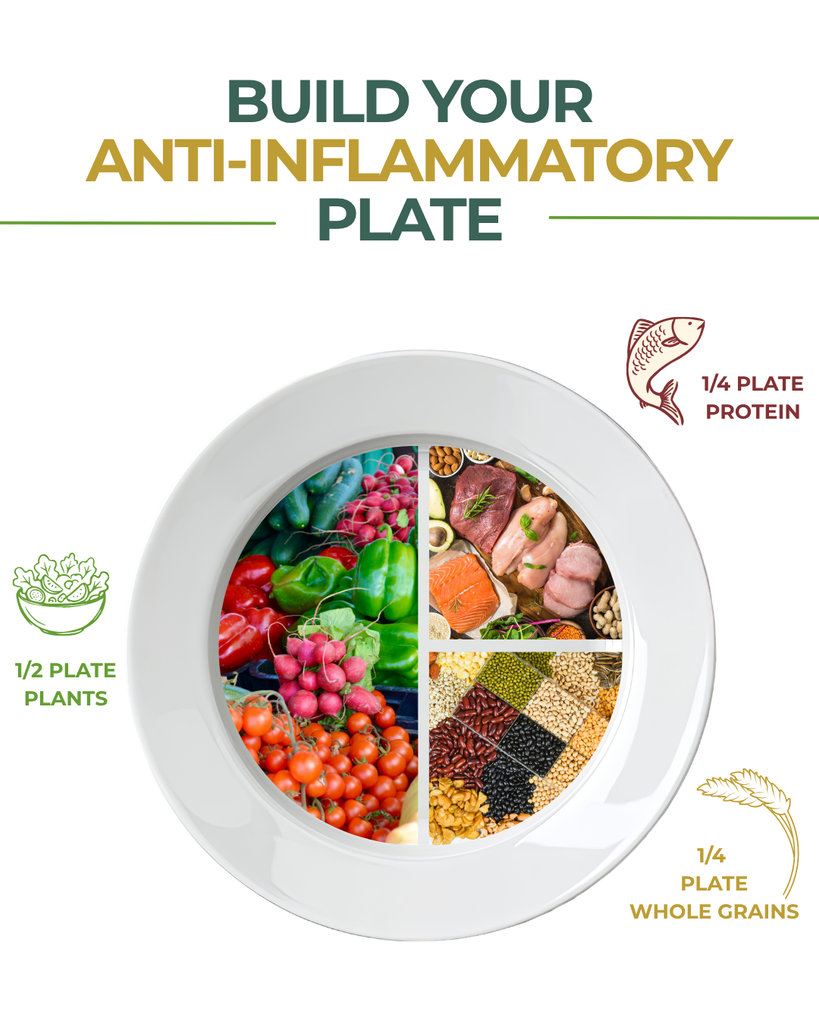
Color, variety, balance, and flavor on every plate! It’s all about preparing meals with intention and including the nutritional powerhouses:
Fruits and vegetables
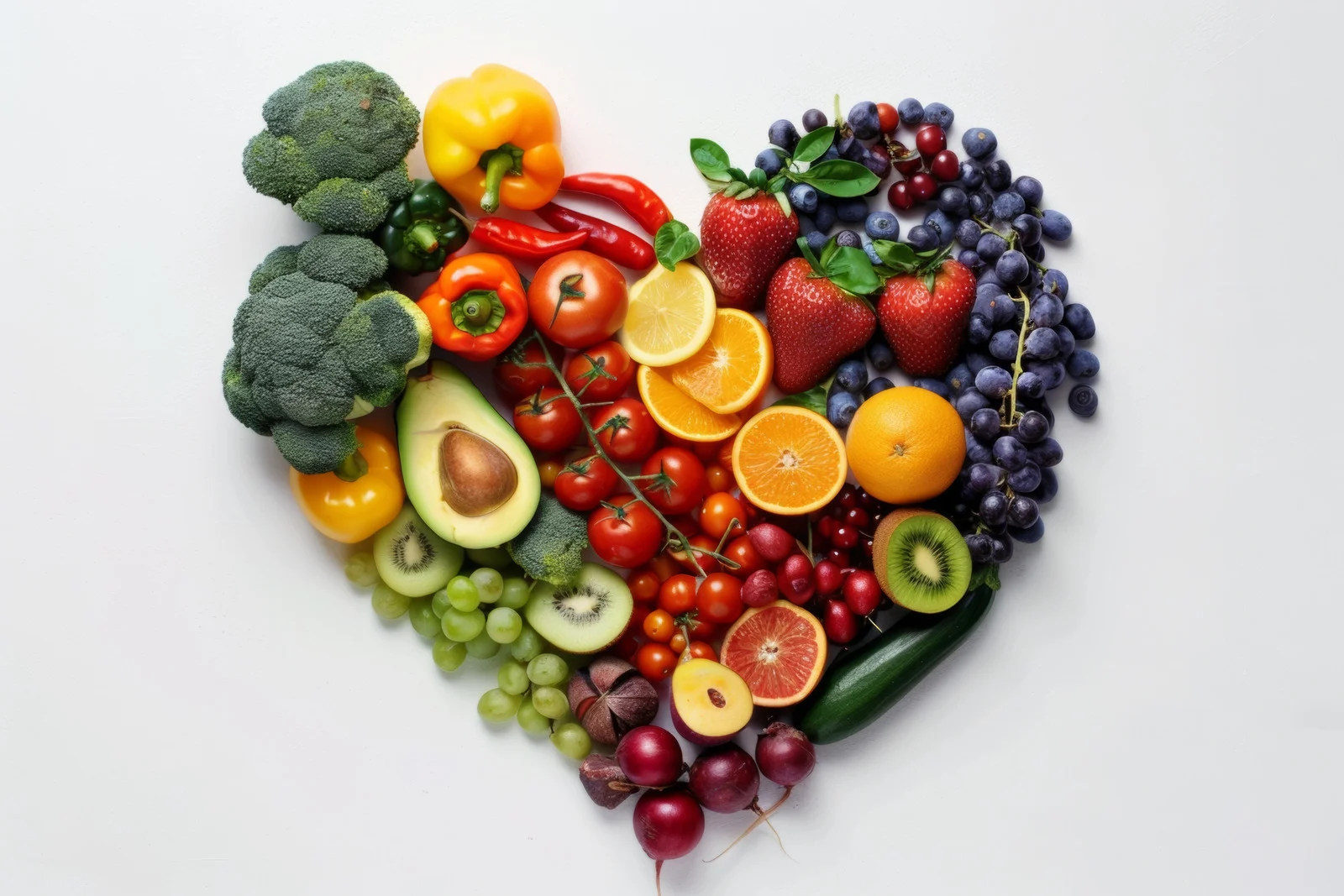
Fresh fruit and veggies make up the largest component of an anti-inflammatory plate:
- Dark leafy greens, like spinach and kale
- Bright bell peppers (red, orange, yellow)
- Avocados
- Cruciferous veggies, including broccoli, cauliflower, Brussels sprouts, and cabbage
- Deeply pigmented foods, like blueberries, blackberries, eggplant, cherries, beets, and purple cabbage
- Squash varieties for added fiber and phytonutrients
Whole grains and legumes
Whole grains (quinoa, farro, brown rice, and oats), along with beans and lentils, provide steady energy and fiber to maintain gut health and regulate inflammation.
Healthy fats and lean proteins
- Nuts, seeds, and extra-virgin olive oil are rich in antioxidants and anti-inflammatory omega–3 fatty acids.
- Cold-water fish like salmon, sardines, and mackerel also have omega–3s.
- Protein-rich soy (tofu, tempeh, edamame) protects the heart.3Ramdath DD, Padhi EM, Sarfaraz S, Renwick S, Duncan AM. Beyond the cholesterol-lowering effect of soy protein: a review of the effects of dietary soy and its constituents on risk factors for cardiovascular disease. Nutrients. 2017;9(4):324. https://doi.org/10.3390/nu9040324
Mushrooms
Shiitake, maitake, enoki, and lion’s mane boost the body’s defenses and help regulate inflammation.4Elsayed EA, El Enshasy H, Wadaan MA, Aziz R. Mushrooms: a potential natural source of anti-inflammatory compounds for medical applications. Mediators Inflamm. 2014;2014:805841. https://doi.org/10.1155/2014/805841,5Du B, Fengmei Z, Baojun X. An insight into the anti-inflammatory properties of edible and medicinal mushrooms. J Funct Foods. 2018 Aug;47:334-342. https://doi.org/10.1016/j.jff.2018.06.003 Mushrooms contain beta–glucans, compounds that have been studied for their ability to modulate immune responses. They also provide antioxidants that protect cells from oxidative stress, which is associated with chronic inflammation.
Herbs and spices
Turmeric, ginger, cinnamon, garlic, and oregano boast potent anti-inflammatory and antibacterial properties. Use them generously in daily cooking. 6Kunnumakkara AB, Sailo BL, Banik K, et al. Chronic diseases, inflammation, and spices: how are they linked? J Transl Med. 2018 Jan 25;16(1):14. https://doi.org/10.1186/s12967-018-1381-2
Foods that fuel inflammation
Although no single food is inherently “inflammatory” for everyone, certain dietary patterns and highly processed products are linked with elevated markers of chronic inflammation. They can alter the GI microbiome, subsequently firing up the immune system (in a bad way). Foods that inflame are typically low in beneficial nutrients and high in the following:
- Added sugars
- Refined carbohydrates
- Unhealthy fats
- Sodium
Regularly eating these foods may increase the risk of chronic diseases, including obesity, cardiovascular disease, and type 2 diabetes.7Margină D, Ungurianu A, Purdel C, et al. Chronic inflammation in the context of everyday life: dietary changes as mitigating factors. Int J Environ Res Public Health. 2020 Jun 10;17(11):4135. https://doi.org/10.3390/ijerph17114135
Fighting inflammation with food
Research shows that chronic low-grade inflammation contributes to many serious diseases. But good food is a powerful tool that can counter inflammation’s insidious effects and help prevent it altogether. Supplying the body with protective compounds that work together to reduce inflammation and optimize natural defenses is the goal.
Footnotes
- 1Cassidy A, Rogers G, Peterson JJ, Dwyer JT, Lin H, Jacques PF. Higher dietary anthocyanin and flavonol intakes are associated with anti-inflammatory effects in a population of US adults. Am J Clin Nutr. 2015;102(1):172‐181. https://doi.org/10.3945/ajcn.115.108555 ↩︎
- 2Azab A, Nassar A, Azab AN. Anti-inflammatory activity of natural products. Molecules. 2016 Oct 1;21(10):1321. https://doi.org/10.3390/molecules21101321 ↩︎
- 3Ramdath DD, Padhi EM, Sarfaraz S, Renwick S, Duncan AM. Beyond the cholesterol-lowering effect of soy protein: a review of the effects of dietary soy and its constituents on risk factors for cardiovascular disease. Nutrients. 2017;9(4):324. https://doi.org/10.3390/nu9040324 ↩︎
- 4Elsayed EA, El Enshasy H, Wadaan MA, Aziz R. Mushrooms: a potential natural source of anti-inflammatory compounds for medical applications. Mediators Inflamm. 2014;2014:805841. https://doi.org/10.1155/2014/805841 ↩︎
- 5Du B, Fengmei Z, Baojun X. An insight into the anti-inflammatory properties of edible and medicinal mushrooms. J Funct Foods. 2018 Aug;47:334-342. https://doi.org/10.1016/j.jff.2018.06.003 ↩︎
- 6Kunnumakkara AB, Sailo BL, Banik K, et al. Chronic diseases, inflammation, and spices: how are they linked? J Transl Med. 2018 Jan 25;16(1):14. https://doi.org/10.1186/s12967-018-1381-2 ↩︎
- 7Margină D, Ungurianu A, Purdel C, et al. Chronic inflammation in the context of everyday life: dietary changes as mitigating factors. Int J Environ Res Public Health. 2020 Jun 10;17(11):4135. https://doi.org/10.3390/ijerph17114135 ↩︎