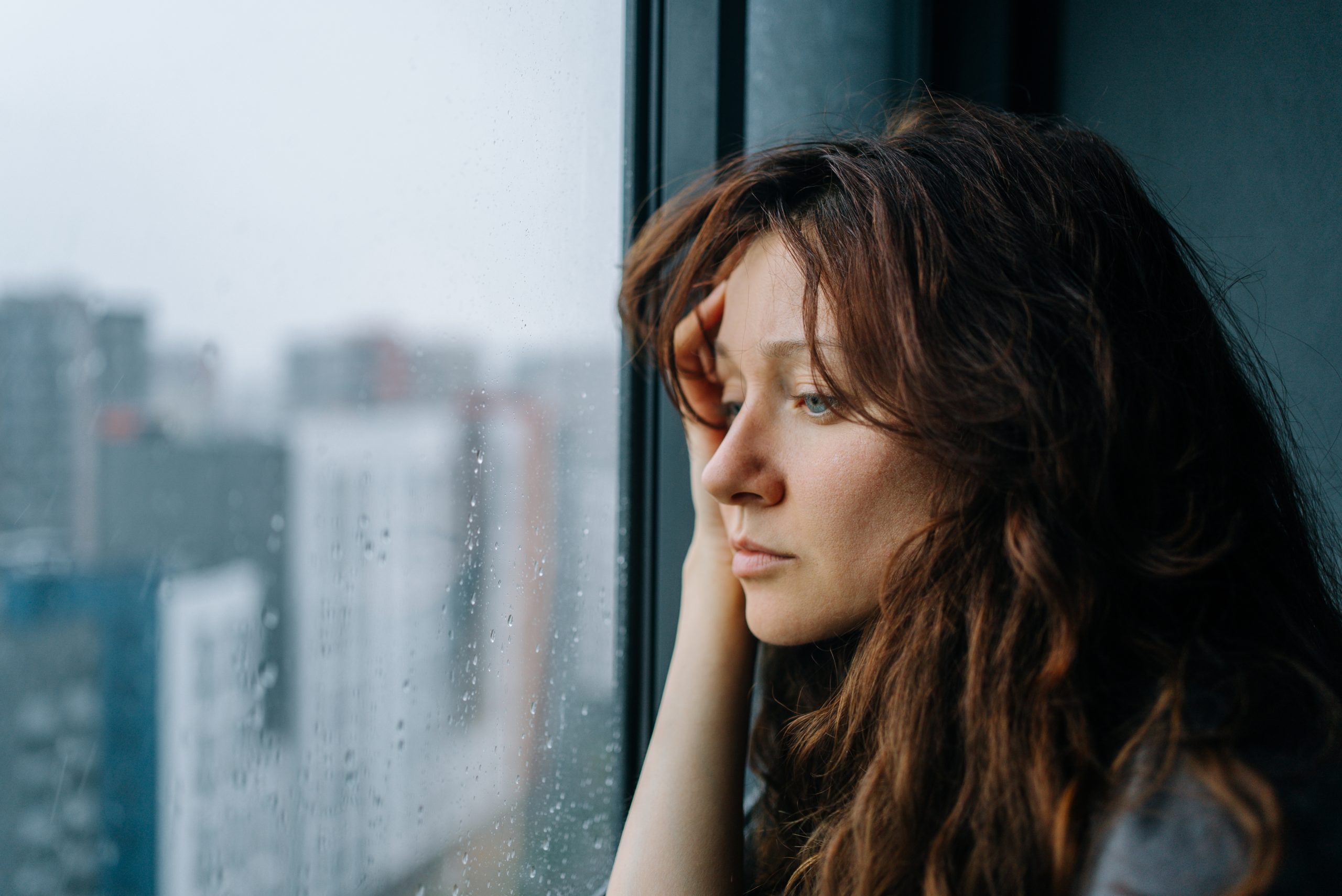
Depression strikes millions of people each year. Symptoms can be mild and temporary or severe and persistent, characterized by intense sadness and hopelessness. For people with major depressive disorder (MDD), the most commonly diagnosed form of depression, these feelings may affect daily functioning. An estimated 9% of U.S. adults struggle with MDD.1What Is Depression? Anxiety & Depression Association of America. Updated September 8, 2025. Accessed September 10, 2025. https://adaa.org/understanding-anxiety/depression,2Simon GE, Moise N, Mohr DC. Management of depression in adults: a review. JAMA. 2024;332(2):141-152. https://doi.org/10.1001/jama.2024.5756
MDD symptoms and diagnosis
Major depression is a treatable mental health condition diagnosed by psychological and somatic symptoms that last for at least two weeks.2Simon GE, Moise N, Mohr DC. Management of depression in adults: a review. JAMA. 2024;332(2):141-152. https://doi.org/10.1001/jama.2024.5756 Low mood, sadness, hopelessness, loss of interest in regular activities, constant fatigue, sleep disturbances, and recurrent thoughts of death or suicide are common. Many people also experience changes in appetite, productivity, and cognition.1What Is Depression? Anxiety & Depression Association of America. Updated September 8, 2025. Accessed September 10, 2025. https://adaa.org/understanding-anxiety/depression
Five or more symptoms must be present for an MDD diagnosis, including depressed mood and anhedonia (lost interest).3Bains N, Abdijadid S. Major depressive disorder. StatPearls Publishing. In: StatPearls. Treasure Island (FL): StatPearls Publishing; 2026 Jan. https://www.ncbi.nlm.nih.gov/books/NBK559078
MDD is one of several kinds of depression. Although some symptoms overlap, diagnostic criteria vary1What Is Depression? Anxiety & Depression Association of America. Updated September 8, 2025. Accessed September 10, 2025. https://adaa.org/understanding-anxiety/depression:
- Persistent depressive disorder (PDD): Mild to moderate symptoms continue for at least two years.
- Premenstrual dysphoric disorder (PMDD): A form of severe depression that begins 7 to 10 days before a woman’s period.
- Adjustment disorder with depressed mood: Symptoms occur within three months of a stressful or traumatic life event.
- Seasonal affective disorder (SAD): Symptoms occur at a specific time of year, typically during winter.
- Bipolar disorder: Unlike MDD, bipolar disorder is characterized by severe shifts in mood, energy, and functioning. Patients with bipolar disorder may experience bouts of mania followed by periods of severe depression.
In some cases, depression co-occurs with anxiety.2Simon GE, Moise N, Mohr DC. Management of depression in adults: a review. JAMA. 2024;332(2):141-152. https://doi.org/10.1001/jama.2024.5756 However, depression and anxiety are distinct mental health conditions, with unique causes, symptoms, and treatments.1What Is Depression? Anxiety & Depression Association of America. Updated September 8, 2025. Accessed September 10, 2025. https://adaa.org/understanding-anxiety/depression Depression can also co-occur with other behavioral health conditions, including panic disorder, social anxiety, obsessive–compulsive disorder, and substance use disorders.3Bains N, Abdijadid S. Major depressive disorder. StatPearls Publishing. In: StatPearls. Treasure Island (FL): StatPearls Publishing; 2026 Jan. https://www.ncbi.nlm.nih.gov/books/NBK559078
Conventional, complementary, and alternative therapies
Antidepressants are first-line conventional treatments for MDD, sometimes in combination with psychotherapy. Medication is more effective when prescribed alongside cognitive behavioral therapy, behavioral activation, interpersonal therapy, psychodynamic therapy, and acceptance and commitment therapy.2Simon GE, Moise N, Mohr DC. Management of depression in adults: a review. JAMA. 2024;332(2):141-152. https://doi.org/10.1001/jama.2024.5756,3Bains N, Abdijadid S. Major depressive disorder. StatPearls Publishing. In: StatPearls. Treasure Island (FL): StatPearls Publishing; 2026 Jan. https://www.ncbi.nlm.nih.gov/books/NBK559078,4Qaseem A, Barry MJ, Kansagara D; Clinical Guidelines Committee of the American College of Physicians. Nonpharmacologic versus pharmacologic treatment of adult patients with major depressive disorder: a clinical practice guideline from the American College of Physicians. Ann Intern Med. 2016;164(5):350-359. https://doi.org/10.7326/m15-2570
Although many patients respond to therapy, side effects and treatment-resistant depression present challenges for some. Antidepressants may cause diarrhea, constipation, nausea, headaches, insomnia, drowsiness, and sexual dysfunction.4Qaseem A, Barry MJ, Kansagara D; Clinical Guidelines Committee of the American College of Physicians. Nonpharmacologic versus pharmacologic treatment of adult patients with major depressive disorder: a clinical practice guideline from the American College of Physicians. Ann Intern Med. 2016;164(5):350-359. https://doi.org/10.7326/m15-2570 Certain medications can affect blood pressure and heart rate.
“While conventional antidepressants work by altering neurotransmitter signaling, the reality is more complex,” says Astrid Boeckelmann, ND, of Novomed Centers. “Depression is a multifactorial condition, and my clinical approach focuses on identifying the underlying biochemical and physiological determinants rather than only addressing symptoms. Each case is a bit different and requires and responds to different treatments.”
Complementary and alternative medicine for depression
Patients hoping to naturally alleviate depression may have success with evidence-based lifestyle changes,3Bains N, Abdijadid S. Major depressive disorder. StatPearls Publishing. In: StatPearls. Treasure Island (FL): StatPearls Publishing; 2026 Jan. https://www.ncbi.nlm.nih.gov/books/NBK559078 dietary supplements,5Frost R, Zamri A, Mathew S, et al. Understanding the research landscape of over-the-counter herbal products, dietary supplements, and medications evaluated for depressive symptoms in adults: a scoping review. Front Pharmacol. 2025;16:1609605. https://doi.org/10.3389/fphar.2025.1609605 and mind–body therapies.6Tian S, Liang Z, Qiu F, et al. Optimal modalities and doses of mind-body exercise for depressive symptoms in adults: a systematic review of paired analyses, network analyses and dose-response meta-analyses. Appl Psychol Health Well Being. 2024;16(4):2598-2614. https://doi.org/10.1111/aphw.12573 The most effective depression treatment plan targets the specific cause(s).
“Depressive symptoms can stem from imbalances in neurotransmitters, hormones, stress-response systems, inflammatory pathways, and the gut–brain axis,” notes Dr. Boeckelmann. “Genetic testing adds another layer of precision. Variants in methylation pathways (e.g., MTHFR), monoamine oxidase activity, or detoxification enzymes can predispose [patients] to altered neurotransmitter metabolism and inflammatory responses, shaping treatment priorities.”
Amino acids, herbal remedies, and lifestyle changes
In addition to conventional medicines, Dr. Boeckelmann might recommend amino acid neurotransmitters, such as tryptophan, tyrosine, or gamma–aminobutyric acid (GABA). “Neurotransmitter modulation remains an important therapeutic target,” she says. “Hormonal regulation is equally relevant.”
Determining the reason(s) for depression is a crucial first step. Based on contributing factors, a wide range of natural treatments can be beneficial:
- Adaptogenic herbs, especially ashwagandha7Alsanie SA, Alhodieb FS, Askarpour M. Effects of ashwagandha (Withania somnifera) on mental health in adults: a systematic review and dose-response meta-analysis of randomized controlled trials. Complement Ther Med. https://doi.org/10.1016/j.ctim.2026.103325
- Theanine, magnesium, and 5–HTP8Hidese S, Ota M, Wakabayashi C, et al. Effects of chronic l-theanine administration in patients with major depressive disorder: an open-label study. Acta Neuropsychiatr. 2017;29(2):72-79. https://doi.org/10.1017/neu.2016.33,9Moabedi M, Aliakbari M, Erfanian S, Milajerdi A. Magnesium supplementation beneficially affects depression in adults with depressive disorder: a systematic review and meta-analysis of randomized clinical trials. Front Psychiatry. 2023;14:1333261. https://doi.org/10.3389/fpsyt.2023.133326,10Ooi SL, Henderson P, Pak SC. Kava for generalized anxiety disorder: a review of current evidence. J Altern Complement Med. 2018;24(8):770-780. https://doi.org/10.1089/acm.2018.0001
- Saint John’s wort, kava kava, and other anxiolytics11Kenda M, Kočevar Glavač N, Nagy M, Sollner Dolenc M. Medicinal plants used for anxiety, depression, or stress treatment: an update. Molecules. 2022;27(18):6021. https://doi.org/10.3390/molecules27186021,12Li S, Sutanto CN, Xia X, Kim JE. The impact of 5-hydroxytryptophan supplementation on cognitive function and mood in Singapore older adults: a randomized controlled trial. Nutrients. 2025;17(17):2773. https://doi.org/10.3390/nu17172773,13Zhao X, Zhang H, Wu Y, Yu C. The efficacy and safety of St. John’s wort extract in depression therapy compared to SSRIs in adults: a meta-analysis of randomized clinical trials. Adv Clin Exp Med. 2023;32(2):151-161. https://doi.org/10.17219/acem/152942
- Lifestyle changes including sleep hygiene,14Scott AJ, Webb TL, Martyn-St James M, Rowse G, Weich S. Improving sleep quality leads to better mental health: A meta-analysis of randomised controlled trials. Sleep Med Rev. 2021;60:101556. https://doi.org/10.1016/j.smrv.2021.101556 screen time adjustments,15Li L, Zhang Q, Zhu L, et al. Screen time and depression risk: A meta-analysis of cohort studies. Front Psychiatry. 2022;13:1058572. https://doi.org/10.3389/fpsyt.2022.1058572 exercise,8Noetel M, Sanders T, Gallardo-Gómez D, et al. Effect of exercise for depression: systematic review and network meta-analysis of randomised controlled trials. BMJ. 2024;384:e075847. https://doi.org/10.1136/bmj-2023-075847,9Augustin N, Bendau A, Heuer S, Kaminski J, Ströhle A. Resistance training in depression. Dtsch Arztebl Int. 2023;120(45):757-762. https://doi.org/10.3238/arztebl.m2023.0196 dietary modifications,anti-inflammatory foods, and yoga, meditation, or other mind–body therapies7Luo S, Mei Z, Fang G, Mu G, Zhang X, Luo S. Effects of mind-body therapies on depression among adolescents: a systematic review and network meta-analysis.Front Public Health. 2024;12:1431062. https://doi.org/10.3389/fpubh.2024.1431062,16Owens M, Leivang R, Bunce H. Nature-based guided imagery and meditation significantly enhance mental well-being and reduce depressive symptoms: a randomized experiment. Ecopsychology. 2025;17(1):27-41. https://doi.org/10.1089/eco.2024.0031
Six natural remedies for depression
Mind–body therapy
Numerous randomized controlled trials support mind–body therapies for reducing depressive symptoms in adults6Tian S, Liang Z, Qiu F, et al. Optimal modalities and doses of mind-body exercise for depressive symptoms in adults: a systematic review of paired analyses, network analyses and dose-response meta-analyses. Appl Psychol Health Well Being. 2024;16(4):2598-2614. https://doi.org/10.1111/aphw.12573 and teens7Luo S, Mei Z, Fang G, Mu G, Zhang X, Luo S. Effects of mind-body therapies on depression among adolescents: a systematic review and network meta-analysis. Front Public Health. 2024;12:1431062. https://doi.org/10.3389/fpubh.2024.1431062 as an adjunctive mental health treatment.
Yoga is one such therapy, combining movement, controlled breathing, and mindfulness meditation to relax the body and reduce psychological stress. Other effective mind–body therapies for depression include qigong, tai chi, and dance therapy.6Tian S, Liang Z, Qiu F, et al. Optimal modalities and doses of mind-body exercise for depressive symptoms in adults: a systematic review of paired analyses, network analyses and dose-response meta-analyses. Appl Psychol Health Well Being. 2024;16(4):2598-2614. https://doi.org/10.1111/aphw.12573,7Luo S, Mei Z, Fang G, Mu G, Zhang X, Luo S. Effects of mind-body therapies on depression among adolescents: a systematic review and network meta-analysis. Front Public Health. 2024;12:1431062. https://doi.org/10.3389/fpubh.2024.1431062
Regular exercise
Physical activities such as walking, jogging, strength training, and mixed aerobic exercise can help alleviate depression. According to a systematic review and meta-analysis of 218 randomized controlled trials, vigorous exercise may produce stronger effects than light or moderate activity.8Noetel M, Sanders T, Gallardo-Gómez D, et al. Effect of exercise for depression: systematic review and network meta-analysis of randomised controlled trials. BMJ. 2024;384:e075847. https://doi.org/10.1136/bmj-2023-075847
One study suggests that regular resistance training may help alleviate depression and improve quality of life. Two to four sessions per week can also reduce blood pressure, boost cognitive performance, and increase bone density.9Augustin N, Bendau A, Heuer S, Kaminski J, Ströhle A. Resistance training in depression. Dtsch Arztebl Int. 2023;120(45):757-762. https://doi.org/10.3238/arztebl.m2023.0196
Nature-based guided imagery
Guided imagery is a relaxation technique used for various medical reasons, including depression. It involves using imagination to visualize tranquil settings, such as a beach or forest. Some sessions may also incorporate breathing techniques and progressive muscle relaxation.10Zemla K, Sedek G, Wróbel K, Postepski F, Wojcik GM. Investigating the impact of guided imagery on stress, brain functions, and attention: a randomized trial. Sensors (Basel). 2023;23(13):6210. https://doi.org/10.3390/s23136210 Evidence suggests a positive effect on stress levels, focus and attention, and general mental well-being.10Zemla K, Sedek G, Wróbel K, Postepski F, Wojcik GM. Investigating the impact of guided imagery on stress, brain functions, and attention: a randomized trial. Sensors (Basel). 2023;23(13):6210. https://doi.org/10.3390/s23136210,11Owens M, Leivang R, Bunce H. Nature-based guided imagery and meditation significantly enhance mental well-being and reduce depressive symptoms: a randomized experiment. Ecopsychology. 2025;17(1):27-41. https://doi.org/10.1089/eco.2024.0031
Nature-based guided imagery is linked with greater self-compassion and mindfulness, which may improve depressive symptoms by reducing rumination and negative affect. Nature-based meditation could have similar benefits.11Owens M, Leivang R, Bunce H. Nature-based guided imagery and meditation significantly enhance mental well-being and reduce depressive symptoms: a randomized experiment. Ecopsychology. 2025;17(1):27-41. https://doi.org/10.1089/eco.2024.0031
Diet and nutrition
Eating a balanced, whole food–based diet could support stable moods. A systematic review of observational evidence linked high consumption of meat and ultra-processed foods with an increased risk of depression. In comparison, greater fruit and vegetable intake was associated with a decreased risk.17Selvaraj R, Selvamani TY, Zahra A, et al. Association between dietary habits and depression: a systematic review. Cureus. 2022;14(12):e32359. https://doi.org/10.7759/cureus.32359
Another recent study shows that healthy fats, proteins, vitamins, minerals, and fiber support the production and release of neurotransmitters that regulate mood.18Zielińska M, Łuszczki E, Dereń K. Dietary nutrient deficiencies and risk of depression (review article 2018-2023). Nutrients. 2023;15(11):2433. https://doi.org/10.3390/nu15112433
Specific dietary deficiencies that may exacerbate depression symptoms include the following3Bains N, Abdijadid S. Major depressive disorder. StatPearls Publishing. In: StatPearls. Treasure Island (FL): StatPearls Publishing; 2026 Jan. https://www.ncbi.nlm.nih.gov/books/NBK559078,19Zielińska M, Łuszczki E, Dereń K. Dietary nutrient deficiencies and risk of depression (review article 2018-2023). Nutrients. 2023;15(11):2433. https://doi.org/10.3390/nu15112433:
- Vitamins D, B1, B6, B9, and B12
- Minerals such as iron, magnesium, zinc, selenium, and calcium
- Omega–3 fatty acids
- Amino acids (tryptophan and tyrosine)
Acupuncture
Stimulating specific points on the body may relieve symptoms of depression, according to a systematic review of 12 clinical studies. Acupuncture may also enhance the effectiveness of antidepressants.20Zhang Z, Li S, Meng H, et al. Efficacy and safety of acupuncture in the treatment of depression: a systematic review of clinical research. Anat Rec (Hoboken). 2021;304(11):2436-2453. https://doi.org/10.1002/ar.24783
Light therapy
One of the most common natural remedies for seasonal affective disorder, or SAD, is light therapy. However, recent research suggests light therapy can benefit people with non-seasonal depression, particularly when combined with antidepressants. It may also improve sleep quality and reduce daytime sleepiness.21Lomnasan A, Vintilă BI, Bucuța M, et al. The use of phototherapy for the treatment of non-seasonal depression: a systematic review of efficacy and safety. J Clin Med. 2025;14(5):1756. https://doi.org/10.3390/jcm14051756
Light therapy is most effective first thing in the morning for 30 to 60 minutes. Two daily sessions—one at the start of the day and another in the evening—may be more beneficial.
Herbal supplements for MDD
St. John’s wort
One of the most commonly studied herbal remedies for depression is St. John’s wort, or Hypericum perforatum.5Frost R, Zamri A, Mathew S, et al. Understanding the research landscape of over-the-counter herbal products, dietary supplements, and medications evaluated for depressive symptoms in adults: a scoping review. Front Pharmacol. 2025;16:1609605. https://doi.org/10.3389/fphar.2025.1609605 Taken as an herbal supplement, this flowering plant from the Hypericaceae family helps regulate neurotransmitters like serotonin, dopamine, and GABA.16Zhao X, Zhang H, Wu Y, Yu C. The efficacy and safety of St. John’s wort extract in depression therapy compared to SSRIs in adults: a meta-analysis of randomized clinical trials. Adv Clin Exp Med. 2023;32(2):151-161. https://doi.org/10.17219/acem/152942
In a meta-analysis of 14 randomized clinical trials, St. John’s wort outperformed selective serotonin reuptake inhibitors (SSRIs) in treating mild to moderate depression, showing greater overall safety and efficacy and resulting in fewer side effects.16Zhao X, Zhang H, Wu Y, Yu C. The efficacy and safety of St. John’s wort extract in depression therapy compared to SSRIs in adults: a meta-analysis of randomized clinical trials. Adv Clin Exp Med. 2023;32(2):151-161. https://doi.org/10.17219/acem/152942
Although St. John’s wort has a lower risk of side effects compared with prescription antidepressants, there are possible adverse effects. Some people report fatigue, sleepiness, dizziness, headache, dry mouth, and gastrointestinal symptoms. Serious drug interactions can occur if St. John’s wort is taken with certain antidepressants, including SSRIs and monoamine oxidase inhibitors. The supplement may also reduce the efficacy of birth control pills and immunosuppressants.4Qaseem A, Barry MJ, Kansagara D; Clinical Guidelines Committee of the American College of Physicians. Nonpharmacologic versus pharmacologic treatment of adult patients with major depressive disorder: a clinical practice guideline from the American College of Physicians. Ann Intern Med. 2016;164(5):350-359. https://doi.org/10.7326/m15-2570
Saffron
Clinical studies support the use of saffron (Crocus sativus L.) for depression. A randomized double-blind, placebo-controlled trial found 28 mg of Affron®, a standardized saffron extract, could reduce depression, tension, and fatigue in a month’s time. Slight improvements in sleep quality were also noted.17Kell G, Rao A, Beccaria G, Clayton P, Inarejos-García AM, Prodanov M. affron® a novel saffron extract (Crocus sativus L.) improves mood in healthy adults over 4 weeks in a double-blind, parallel, randomized, placebo-controlled clinical trial. Complement Ther Med. 2017;33:58-64. https://doi.org/10.1016/j.ctim.2017.06.001 Other studies have reported positive effects at higher doses, such as 15 mg to 50 mg, taken twice daily.18Picheta N, Piekarz J, Daniłowska K, Mazur K, Piecewicz-Szczęsna H, Smoleń A. Phytochemicals in the treatment of patients with depression: a systematic review. Front Psychiatry. 2024;15:1509109. https://doi.org/10.3389/fpsyt.2024.1509109
Some evidence suggests that crocin and safranal, bioactive components of saffron, act as reuptake inhibitors of dopamine, norepinephrine, and serotonin.5Frost R, Zamri A, Mathew S, et al. Understanding the research landscape of over-the-counter herbal products, dietary supplements, and medications evaluated for depressive symptoms in adults: a scoping review. Front Pharmacol. 2025;16:1609605. https://doi.org/10.3389/fphar.2025.1609605,17Kell G, Rao A, Beccaria G, Clayton P, Inarejos-García AM, Prodanov M. affron® a novel saffron extract (Crocus sativus L.) improves mood in healthy adults over 4 weeks in a double-blind, parallel, randomized, placebo-controlled clinical trial. Complement Ther Med. 2017;33:58-64. https://doi.org/10.1016/j.ctim.2017.06.001,18Picheta N, Piekarz J, Daniłowska K, Mazur K, Piecewicz-Szczęsna H, Smoleń A. Phytochemicals in the treatment of patients with depression: a systematic review. Front Psychiatry. 2024;15:1509109. https://doi.org/10.3389/fpsyt.2024.1509109
Curcumin and lavender
Other herbal supplements that may help treat depression include curcumin (Curcuma longa L.) and lavender (Lavandula angustifolia).
Research suggests that curcumin, the polyphenolic compound in turmeric, reduces cortisol levels, calms inflammation, and improves depressive symptoms when taken alone or with saffron.18Picheta N, Piekarz J, Daniłowska K, Mazur K, Piecewicz-Szczęsna H, Smoleń A. Phytochemicals in the treatment of patients with depression: a systematic review. Front Psychiatry. 2024;15:1509109. https://doi.org/10.3389/fpsyt.2024.1509109 Other studies show mixed results.5Frost R, Zamri A, Mathew S, et al. Understanding the research landscape of over-the-counter herbal products, dietary supplements, and medications evaluated for depressive symptoms in adults: a scoping review. Front Pharmacol. 2025;16:1609605. https://doi.org/10.3389/fphar.2025.1609605
When taken in a capsule or tea or used for aromatherapy, lavender may have antidepressant and anti-anxiety effects.18Picheta N, Piekarz J, Daniłowska K, Mazur K, Piecewicz-Szczęsna H, Smoleń A. Phytochemicals in the treatment of patients with depression: a systematic review. Front Psychiatry. 2024;15:1509109. https://doi.org/10.3389/fpsyt.2024.1509109 More research on lavender as an alternative therapy for depression is needed.5Frost R, Zamri A, Mathew S, et al. Understanding the research landscape of over-the-counter herbal products, dietary supplements, and medications evaluated for depressive symptoms in adults: a scoping review. Front Pharmacol. 2025;16:1609605. https://doi.org/10.3389/fphar.2025.1609605
Antidepressive dietary supplements
A growing body of research supports the use of multiple dietary supplements as single or adjunctive treatments of depression:
- Omega–3 polyunsaturated fatty acids5Frost R, Zamri A, Mathew S, et al. Understanding the research landscape of over-the-counter herbal products, dietary supplements, and medications evaluated for depressive symptoms in adults: a scoping review. Front Pharmacol. 2025;16:1609605. https://doi.org/10.3389/fphar.2025.1609605,13Zielińska M, Łuszczki E, Dereń K. Dietary nutrient deficiencies and risk of depression (review article 2018-2023). Nutrients. 2023;15(11):2433. https://doi.org/10.3390/nu15112433,19Sarris J, Murphy J, Mischoulon D, et al. Adjunctive nutraceuticals for depression: a systematic review and meta-analyses. Am J Psychiatry. 2016;173(6):575-587. https://doi.org/10.1176/appi.ajp.2016.15091228
- Vitamin D5Frost R, Zamri A, Mathew S, et al. Understanding the research landscape of over-the-counter herbal products, dietary supplements, and medications evaluated for depressive symptoms in adults: a scoping review. Front Pharmacol. 2025;16:1609605. https://doi.org/10.3389/fphar.2025.1609605,13Zielińska M, Łuszczki E, Dereń K. Dietary nutrient deficiencies and risk of depression (review article 2018-2023). Nutrients. 2023;15(11):2433. https://doi.org/10.3390/nu15112433,19Sarris J, Murphy J, Mischoulon D, et al. Adjunctive nutraceuticals for depression: a systematic review and meta-analyses. Am J Psychiatry. 2016;173(6):575-587. https://doi.org/10.1176/appi.ajp.2016.15091228
- Probiotics5Frost R, Zamri A, Mathew S, et al. Understanding the research landscape of over-the-counter herbal products, dietary supplements, and medications evaluated for depressive symptoms in adults: a scoping review. Front Pharmacol. 2025;16:1609605. https://doi.org/10.3389/fphar.2025.1609605
- Methylfolate5Frost R, Zamri A, Mathew S, et al. Understanding the research landscape of over-the-counter herbal products, dietary supplements, and medications evaluated for depressive symptoms in adults: a scoping review. Front Pharmacol. 2025;16:1609605. https://doi.org/10.3389/fphar.2025.1609605,19Sarris J, Murphy J, Mischoulon D, et al. Adjunctive nutraceuticals for depression: a systematic review and meta-analyses. Am J Psychiatry. 2016;173(6):575-587. https://doi.org/10.1176/appi.ajp.2016.15091228
- S–adenosylmethionine (SAM–e)4Qaseem A, Barry MJ, Kansagara D; Clinical Guidelines Committee of the American College of Physicians. Nonpharmacologic versus pharmacologic treatment of adult patients with major depressive disorder: a clinical practice guideline from the American College of Physicians. Ann Intern Med. 2016;164(5):350-359. https://doi.org/10.7326/m15-2570,19Sarris J, Murphy J, Mischoulon D, et al. Adjunctive nutraceuticals for depression: a systematic review and meta-analyses. Am J Psychiatry. 2016;173(6):575-587. https://doi.org/10.1176/appi.ajp.2016.15091228
- Zinc5Frost R, Zamri A, Mathew S, et al. Understanding the research landscape of over-the-counter herbal products, dietary supplements, and medications evaluated for depressive symptoms in adults: a scoping review. Front Pharmacol. 2025;16:1609605. https://doi.org/10.3389/fphar.2025.1609605,13Zielińska M, Łuszczki E, Dereń K. Dietary nutrient deficiencies and risk of depression (review article 2018-2023). Nutrients. 2023;15(11):2433. https://doi.org/10.3390/nu15112433,19Sarris J, Murphy J, Mischoulon D, et al. Adjunctive nutraceuticals for depression: a systematic review and meta-analyses. Am J Psychiatry. 2016;173(6):575-587. https://doi.org/10.1176/appi.ajp.2016.15091228
Additionally, vitamins B6, B9, and B12 may correct depression-related deficiencies for vegetarians.13Zielińska M, Łuszczki E, Dereń K. Dietary nutrient deficiencies and risk of depression (review article 2018-2023). Nutrients. 2023;15(11):2433. https://doi.org/10.3390/nu15112433
Dietary supplements are largely well tolerated. Side effects are typically mild and may include constipation, diarrhea, and upset stomach. However, severe adverse effects can occur. For example, SAM–e should be avoided by people with bipolar disorder, as it may increase the risk of hypomania. High doses of zinc can cause copper deficiency, and large doses of omega–3 may heighten bleeding risk.19Sarris J, Murphy J, Mischoulon D, et al. Adjunctive nutraceuticals for depression: a systematic review and meta-analyses. Am J Psychiatry. 2016;173(6):575-587. https://doi.org/10.1176/appi.ajp.2016.15091228
Combining serotonergic agents can also increase the risk of serotonin syndrome, a toxic state that occurs when serotonin levels spike.19Sarris J, Murphy J, Mischoulon D, et al. Adjunctive nutraceuticals for depression: a systematic review and meta-analyses. Am J Psychiatry. 2016;173(6):575-587. https://doi.org/10.1176/appi.ajp.2016.15091228 Serotonergic agents include certain antidepressant medicines and supplements such as 5–hydroxytryptophan (5–HTP) and St. John’s wort.
Always consult a healthcare practitioner before taking a supplement for depression.
Psilocybin, a promising alternative
When combined with psychological support, adjunctive psilocybin-assisted therapy may have significant benefits for people with depression. Psilocybin is generally well tolerated, with headaches and nausea being the most common side effects.22Li LJ, Mo Y, Shi ZM, et al. Psilocybin for major depressive disorder: a systematic review of randomized controlled studies. Front Psychiatry. 2024;15:1416420. https://doi.org/10.3389/fpsyt.2024.1416420
Footnotes
- 1What Is Depression? Anxiety & Depression Association of America. Updated September 8, 2025. Accessed September 10, 2025. https://adaa.org/understanding-anxiety/depression
- 2Simon GE, Moise N, Mohr DC. Management of depression in adults: a review. JAMA. 2024;332(2):141-152. https://doi.org/10.1001/jama.2024.5756
- 3Bains N, Abdijadid S. Major depressive disorder. StatPearls Publishing. In: StatPearls. Treasure Island (FL): StatPearls Publishing; 2026 Jan. https://www.ncbi.nlm.nih.gov/books/NBK559078
- 4Qaseem A, Barry MJ, Kansagara D; Clinical Guidelines Committee of the American College of Physicians. Nonpharmacologic versus pharmacologic treatment of adult patients with major depressive disorder: a clinical practice guideline from the American College of Physicians. Ann Intern Med. 2016;164(5):350-359. https://doi.org/10.7326/m15-2570
- 5Frost R, Zamri A, Mathew S, et al. Understanding the research landscape of over-the-counter herbal products, dietary supplements, and medications evaluated for depressive symptoms in adults: a scoping review. Front Pharmacol. 2025;16:1609605. https://doi.org/10.3389/fphar.2025.1609605
- 6Tian S, Liang Z, Qiu F, et al. Optimal modalities and doses of mind-body exercise for depressive symptoms in adults: a systematic review of paired analyses, network analyses and dose-response meta-analyses. Appl Psychol Health Well Being. 2024;16(4):2598-2614. https://doi.org/10.1111/aphw.12573
- 7Luo S, Mei Z, Fang G, Mu G, Zhang X, Luo S. Effects of mind-body therapies on depression among adolescents: a systematic review and network meta-analysis. Front Public Health. 2024;12:1431062. https://doi.org/10.3389/fpubh.2024.1431062
- 8Noetel M, Sanders T, Gallardo-Gómez D, et al. Effect of exercise for depression: systematic review and network meta-analysis of randomised controlled trials. BMJ. 2024;384:e075847. https://doi.org/10.1136/bmj-2023-075847
- 9Augustin N, Bendau A, Heuer S, Kaminski J, Ströhle A. Resistance training in depression. Dtsch Arztebl Int. 2023;120(45):757-762. https://doi.org/10.3238/arztebl.m2023.0196
- 10Zemla K, Sedek G, Wróbel K, Postepski F, Wojcik GM. Investigating the impact of guided imagery on stress, brain functions, and attention: a randomized trial. Sensors (Basel). 2023;23(13):6210. https://doi.org/10.3390/s23136210
- 11Owens M, Leivang R, Bunce H. Nature-based guided imagery and meditation significantly enhance mental well-being and reduce depressive symptoms: a randomized experiment. Ecopsychology. 2025;17(1):27-41. https://doi.org/10.1089/eco.2024.0031
- 12Li S, Sutanto CN, Xia X, Kim JE. The impact of 5-hydroxytryptophan supplementation on cognitive function and mood in Singapore older adults: a randomized controlled trial. Nutrients. 2025;17(17):2773. https://doi.org/10.3390/nu17172773
- 13Zielińska M, Łuszczki E, Dereń K. Dietary nutrient deficiencies and risk of depression (review article 2018-2023). Nutrients. 2023;15(11):2433. https://doi.org/10.3390/nu15112433
- 14Scott AJ, Webb TL, Martyn-St James M, Rowse G, Weich S. Improving sleep quality leads to better mental health: A meta-analysis of randomised controlled trials. Sleep Med Rev. 2021;60:101556. https://doi.org/10.1016/j.smrv.2021.101556
- 15Li L, Zhang Q, Zhu L, et al. Screen time and depression risk: A meta-analysis of cohort studies. Front Psychiatry. 2022;13:1058572. https://doi.org/10.3389/fpsyt.2022.1058572
- 16Zhao X, Zhang H, Wu Y, Yu C. The efficacy and safety of St. John’s wort extract in depression therapy compared to SSRIs in adults: a meta-analysis of randomized clinical trials. Adv Clin Exp Med. 2023;32(2):151-161. https://doi.org/10.17219/acem/152942
- 17Kell G, Rao A, Beccaria G, Clayton P, Inarejos-García AM, Prodanov M. affron® a novel saffron extract (Crocus sativus L.) improves mood in healthy adults over 4 weeks in a double-blind, parallel, randomized, placebo-controlled clinical trial. Complement Ther Med. 2017;33:58-64. https://doi.org/10.1016/j.ctim.2017.06.001
- 18Picheta N, Piekarz J, Daniłowska K, Mazur K, Piecewicz-Szczęsna H, Smoleń A. Phytochemicals in the treatment of patients with depression: a systematic review. Front Psychiatry. 2024;15:1509109. https://doi.org/10.3389/fpsyt.2024.1509109
- 19Sarris J, Murphy J, Mischoulon D, et al. Adjunctive nutraceuticals for depression: a systematic review and meta-analyses. Am J Psychiatry. 2016;173(6):575-587. https://doi.org/10.1176/appi.ajp.2016.15091228
- 20Zhang Z, Li S, Meng H, et al. Efficacy and safety of acupuncture in the treatment of depression: a systematic review of clinical research. Anat Rec (Hoboken). 2021;304(11):2436-2453. https://doi.org/10.1002/ar.24783
- 21Lomnasan A, Vintilă BI, Bucuța M, et al. The use of phototherapy for the treatment of non-seasonal depression: a systematic review of efficacy and safety. J Clin Med. 2025;14(5):1756. https://doi.org/10.3390/jcm14051756
- 22Li LJ, Mo Y, Shi ZM, et al. Psilocybin for major depressive disorder: a systematic review of randomized controlled studies. Front Psychiatry. 2024;15:1416420. https://doi.org/10.3389/fpsyt.2024.1416420