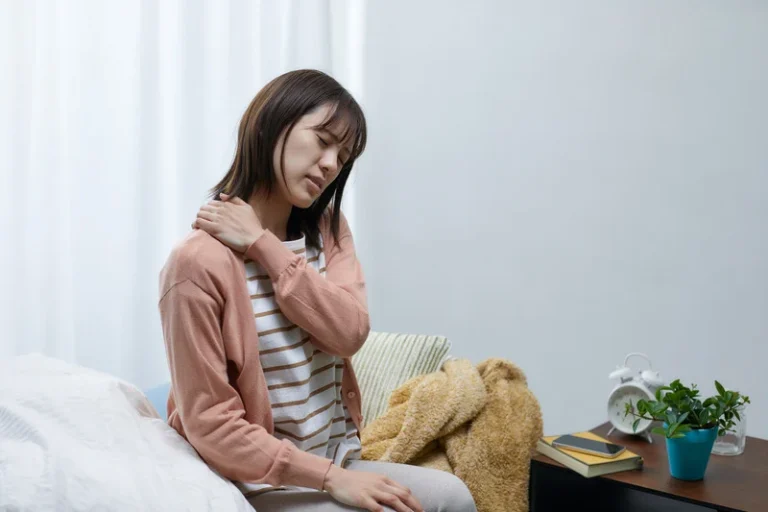
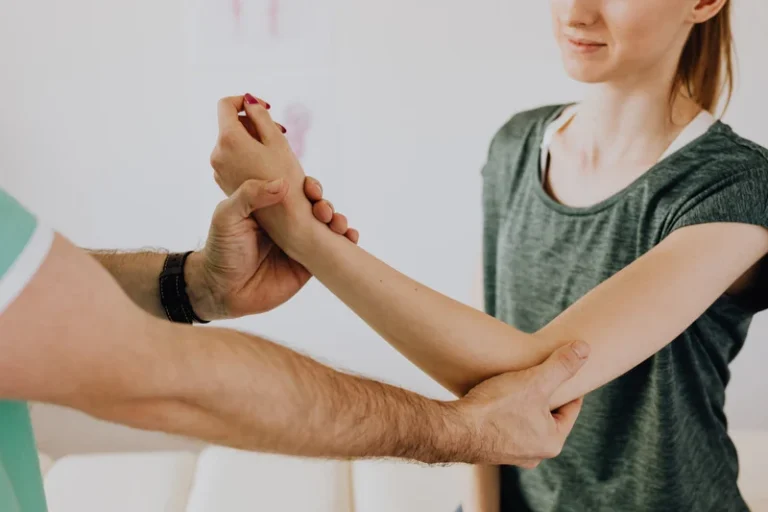
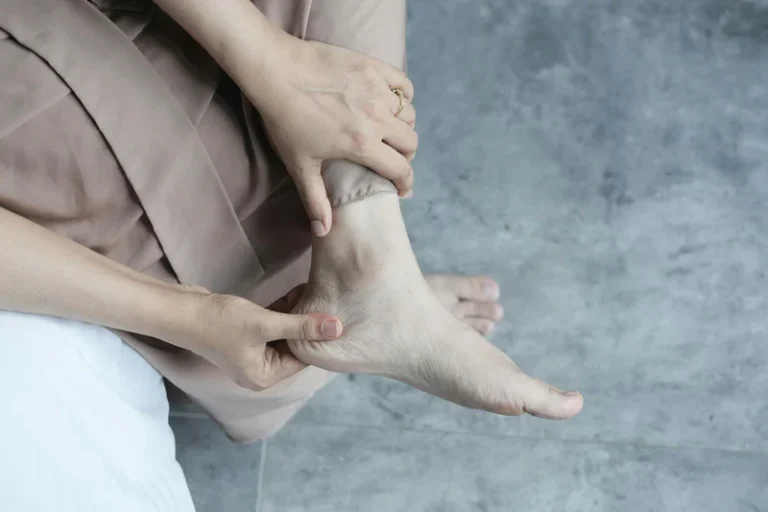
With the repetitive activities common in our modern lives, tendonitis will likely affect most of us at some point. Fortunately, tendonitis is often short-lived. Too much weeding over a weekend, overusing the same muscles, might cause soreness for a few days. But a much greater risk arises when we do the same activity for days on end, such as using a computer mouse all day at work.
Inflammation and Tendonitis
Ever wonder what the “-itis” means at the end of a medical condition? It’s inflammation! Tendonitis is simply the inflammation of a tendon. The most common cause is overuse of a particular muscle with repetitive, minor-impact actions, such as hitting a tennis ball with a racquet (tennis elbow) or jumping repeatedly over a long period (jumper’s knee).
Tendons connect muscles to our skeleton, so a constant pull on them can result in local inflammation, discomfort, pain, and, in the most severe cases, tissue damage.
Why does the body create inflammation?
In most basic terms, inflammation is the body’s alarm system to get you to pay attention and stop what you are doing. Fluid or swelling in the connective tissue, heat production, and inflammatory markers create a pain signal. Swelling protects tissues and reduces mobility, promoting healing.1Inflammation. National Institute of Environmental Health Sciences. https://www.niehs.nih.gov/health/topics/conditions/inflammation/index.cfm#:~:text=Inflammation%20is%20a%20normal%20part
However, while the body is very good at creating inflammation, it’s not always great at turning it off, especially if the movement or activity continues. This ongoing movement can aggravate inflamed tendons and, in some cases, lead to tendonitis.
What causes tendonitis?
Tendonitis, at its simplest, is a result of repetitive strain and motion, with inflammation persisting in the tissue. This inflammation causes increased pain and swelling that can further damage the injured tendon and make activities more difficult and painful.
Five Natural Remedies for Tendonitis
The most natural of remedies is to rest! Stopping the activity and allowing the body time to heal itself is a powerful tool for relieving pain and helping the affected area heal. But when rest alone isn’t enough, try these five natural remedies that can reduce inflammation, relieve intense pain, and support your healing process.
Contrast hydrotherapy
Applying ice to the affected area right after an activity is very helpful for turning off inflammation and reducing pain, but what if the injury is persistent and you have active tendonitis? Contrast hydrotherapy uses alternating hot and cold water to bring blood flow to the affected area, flush out inflammation, and oxygenate the tissues.2Shadgan B, Pakravan AH, Hoens A, Reid WD. Contrast baths, intramuscular hemodynamics, and oxygenation as monitored by near-infrared spectroscopy. J Athl Train. 2018;53(8):782-787. https://doi.org/10.4085/1062-6050-127-17
You can quickly do this at home with hot and cold packs, but ideally, use hot and cold cloths soaked in water for deeper, more penetrating heat and cold.
The ‘rule of threes’ for contrast hydrotherapy at home
Three minutes hot, thirty seconds cold, repeat three times. Make sure you always end with cold water or an ice pack!
What does this look like in practice? Let’s take an elbow as an example: Set up two vessels to hold your water (five-gallon buckets from the hardware store work well). Make sure to fill one with water as hot as you can safely stand, and fill the other with plenty of ice water.
Simply place your elbow in the hot water for three minutes, then dip it in the cold for thirty seconds, then immediately back to the hot water, and repeat the whole process three times. Again, make sure to end on a cold note. If you can do this three times a day, even better!
Apply topical anti-inflammatories
Topical creams and gels containing Capsaicin (cayenne pepper)3Anand P, Bley K. Topical capsaicin for pain management: therapeutic potential and mechanisms of action of the new high-concentration capsaicin 8% patch. British Journal of Anaesthesia. 2011;107(4):490-502. https://doi.org/10.1093/bja/aer260 and Menthol open up vessels to help deliver nutrients and oxygen and provide pain relief. Diclofenac gel, a topical non-steroidal anti-inflammatory, is now available over the counter, relieving pain and inflammation when you need extra support.
Kinesiotaping
Kinesiotaping, the process of lifting the skin in affected areas using special strips of tape, has become increasingly popular. You can now buy strips of kinesiology tape, often called KT tape, with instructions for different joints in the box or available online. Taping helps promote the flow of nutrients into the tissue for healing and facilitates the clearing of old fluids.
Resting
While we already talked about how important rest is, we’re mentioning it again because resting once isn’t typically enough! You need time to heal; that can mean extended rest or multiple breaks.
It can be difficult, but simply not using the tendon is one of the best things to do (easier said than done with an elbow). However, if you can avoid typing, using your computer mouse, playing tennis, or weeding the garden, it can be a fundamental form of meaningful treatment!
Systemic anti-inflammatory supplements
Anti-inflammatory supplements can also be helpful due to their powerful anti-inflammatory properties. Turmeric, Boswellia,4Henrotin Y, Dierckxsens Y, Delisse G, Seidel L, Albert A. Curcuminoids and Boswellia serrata extracts combination decreases tendinopathy symptoms: findings from an open-label post-observational study. Current Medical Research and Opinion. 2021;37(3):423-430. doi:https://doi.org/10.1080/03007995.2020.1860923 and ginger are three such soothers.
When to seek care
Tendonitis can significantly affect daily comfort and mobility, but it doesn’t always require immediate surgery or aggressive medications. A range of natural treatment options may help reduce inflammation, ease pain, improve circulation, and support the body’s healing process. That said, persistent, worsening, or severe pain should never be ignored. Always consult a licensed medical provider, physical therapist, or emergency care professional to ensure proper diagnosis and treatment.
Footnotes
- 1Inflammation. National Institute of Environmental Health Sciences. https://www.niehs.nih.gov/health/topics/conditions/inflammation/index.cfm#:~:text=Inflammation%20is%20a%20normal%20part ↩︎
- 2Shadgan B, Pakravan AH, Hoens A, Reid WD. Contrast baths, intramuscular hemodynamics, and oxygenation as monitored by near-infrared spectroscopy. J Athl Train. 2018;53(8):782-787. https://doi.org/10.4085/1062-6050-127-17 ↩︎
- 3Anand P, Bley K. Topical capsaicin for pain management: therapeutic potential and mechanisms of action of the new high-concentration capsaicin 8% patch. British Journal of Anaesthesia. 2011;107(4):490-502. https://doi.org/10.1093/bja/aer260 ↩︎
- 4Henrotin Y, Dierckxsens Y, Delisse G, Seidel L, Albert A. Curcuminoids and Boswellia serrata extracts combination decreases tendinopathy symptoms: findings from an open-label post-observational study. Current Medical Research and Opinion. 2021;37(3):423-430. doi:https://doi.org/10.1080/03007995.2020.1860923 ↩︎