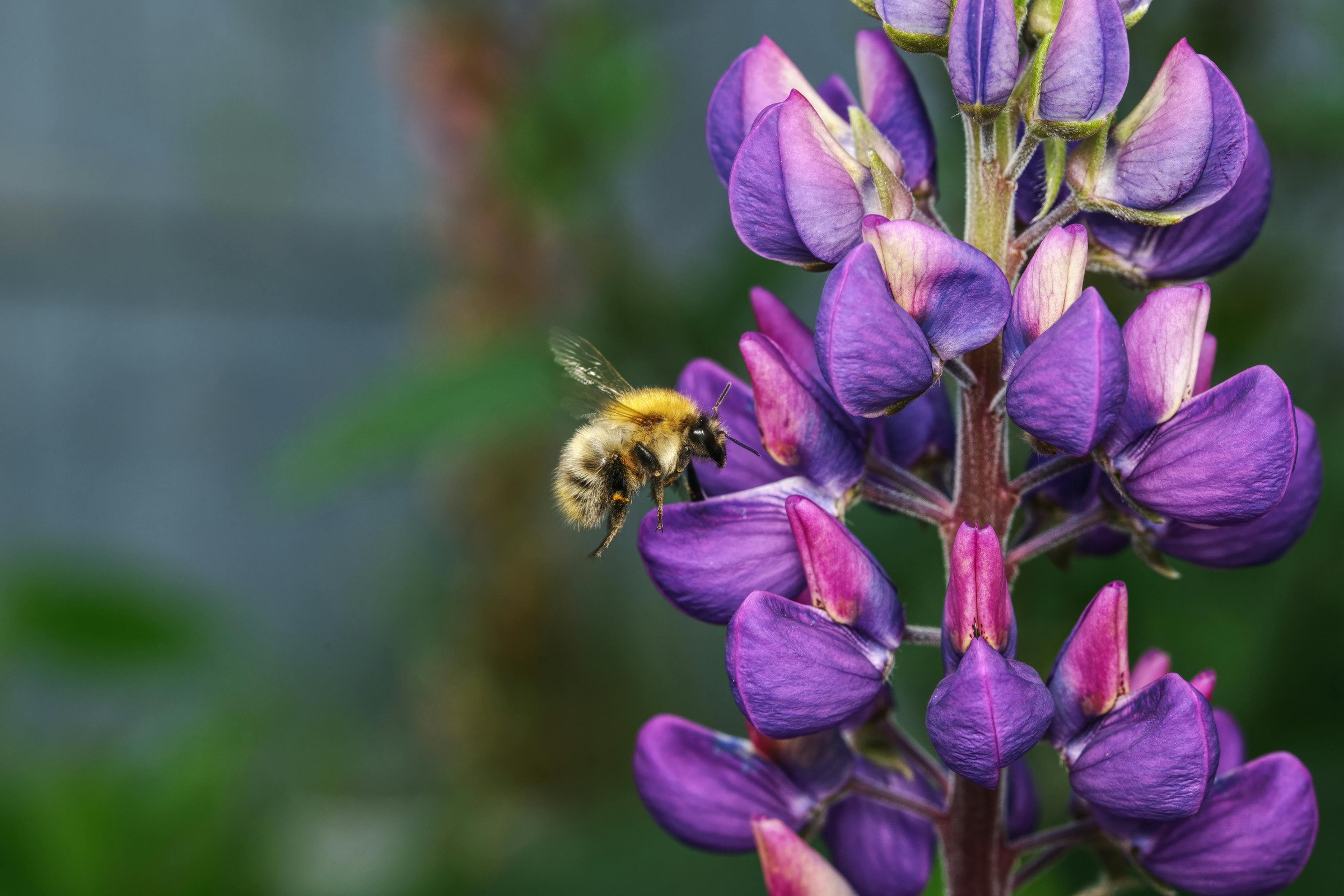
Millions of people suffer from seasonal allergies or “hay fever.” Fatigue, congestion, postnasal drip, and irritated, watery eyes are all par for the course with the familiar (yet dreaded) springtime routine. In many areas, spring allergies begin in February and continue through early summer.
Natural allergy treatments include therapeutic nutrition, botanical medicine, dietary supplements, and lifestyle modifications to avoid allergy triggers and improve symptoms. Looking at the underlying causes of allergic reactions and supporting the body’s inherent curative abilities are two non-medicinal approaches to relieve and mitigate severe allergies.
What happens to the body with a seasonal allergy?
Seasonal allergies occur when the immune system reacts to pollen or plants as if they were a dangerous bacterium or virus.
During an allergic response, the body immediately begins producing “immunoglobulin E” antibodies, or IgE. These antibodies release chemicals like histamine, designed to protect against allergens like pollen, mold, and dust. Histamine production ultimately leads to itchy eyes, a drippy nose, coughing, and other irritations that bother so many people when pollen counts run high.
Plants and pollen are responsible for most spring allergies. Mold and grass cause trouble in spring and summer; ragweed aggravates symptoms in fall.
Seasonal plant-based allergies (pollen and ragweed) usually produce light to moderate symptoms, unlike certain food or medication allergies, which can sometimes trigger life-threatening reactions requiring immediate medical attention.
Ragweed
Most people who are allergic to pollen are also allergic to ragweed, which grows heartily in the Eastern and Midwestern regions of the United States. Symptoms are similar to pollen reactions, with sneezing, stuffy or runny nose, itchy eyes, and trouble sleeping the most common.
Oral allergy syndrome
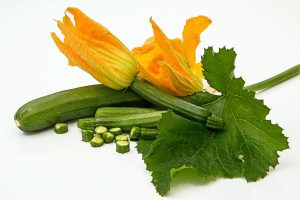
Oral allergy syndrome (OAS) usually affects people with existing pollen allergies. OAS causes an allergic reaction in the lips, mouth, and throat when eating foods that have proteins similar to those in pollen.1Price A, Ramachandran S, Smith GP, Stevenson ML, Pomeranz MK, Cohen DE. Oral allergy syndrome (pollen-food allergy syndrome). Dermatitis. 2015 Mar-Apr;26(2):78-88. https://doi.org/10.1097/DER.0000000000000087 Cantaloupe, bananas, chamomile tea, sunflower seeds, zucchini, and cucumbers may all provoke OAS. A similar connection exists between birch allergies and stone fruits like apricots, cherries, peaches, and plums—anything with a hard seed or pit.
Natural remedies for seasonal allergies
Preventing and treating allergies often starts in the gut, where a healthy diet and microbiome help regulate immune response. GI stability can calm immune system responses and, in turn, reduce allergy symptoms. Increasing beneficial bacteria is an essential first step.
Basic probiotic supplements, combined with fermented and cultured food, help create a more robust and diverse microbiome.2Parvez S, Malik KA, Ah Kang S, Kim HY. Probiotics and their fermented food products are beneficial for health. J Appl Microbiol. 2006 Jun;100(6):1171-85. https://doi.org/10.1111/j.1365-2672.2006.02963.x
Mast cell stabilization
An important strategy for reducing allergic responses is to stabilize mast cell membranes, which are white blood cells that release histamine. There are several natural nutrients that support this process:3Baran J, Sobiepanek A, Mazurkiewicz-Pisarek A, et al. Mast cells as a target—a comprehensive review of recent therapeutic approaches. Cells. 2023 Apr 19;12(8):1187. https://doi.org/10.3390/cells12081187
- Vitamins C, D, & E have antioxidant and anti-inflammatory properties and reduce histamine release by stabilizing the mast cell membrane.3Baran J, Sobiepanek A, Mazurkiewicz-Pisarek A, et al. Mast cells as a target—a comprehensive review of recent therapeutic approaches. Cells. 2023 Apr 19;12(8):1187. https://doi.org/10.3390/cells12081187
- Omega–3 fatty acids, especially from fish oil, contain anti-inflammatory compounds that can help mitigate allergic reactions. Some research suggests these fatty acids inhibit mast cell activation and degranulation, thereby reducing histamine release.4Kawasaki M, Toyoda M, Teshima R, Sawada J, Saito Y. Effect of alpha-linolenic acid on the metabolism of omega-3 and omega-6 polyunsaturated fatty acids and histamine release in RBL-2H3 cells. Biol Pharm Bull. 1994 Oct;17(10):1321-5. https://doi.org/10.1248/bpb.17.1321
- Flavonoids. Nettle leaf (Urtica dioica) is a traditional anti-inflammatory herb with antihistamine properties. Preliminary studies support its use in mitigating allergic responses; however, more research is required to establish efficacy5Werner R, Carnazza M, Li XM, Yang N. Effect of small-molecule natural compounds on pathologic mast cell/basophil activation in allergic diseases. Cells. 2024 Dec 3;13(23):1994. https://doi.org/10.3390/cells13231994,6Roschek B Jr, Fink RC, McMichael M, Alberte RS. Nettle extract (Urtica dioica) affects key receptors and enzymes associated with allergic rhinitis. Phytother Res. 2009 Jul;23(7):920-6. https://doi.org/10.1002/ptr.2763
- Quercetin, a flavonoid found in fruits and vegetables such as apples, onions, and berries, has been shown to inhibit mast cell degranulation and stabilize histamine levels. Studies suggest quercetin helps mitigate allergic reactions by inhibiting histamine release and reducing inflammation.7Mlcek J, Jurikova T, Skrovankova S, Sochor J. Quercetin and its anti-allergic immune response. Molecules. 2016 May 12;21(5):623. https://doi.org/10.3390/molecules21050623,8Jafarinia M, Sadat Hosseini M, Kasiri N, et al. Quercetin with the potential effect on allergic diseases. Allergy Asthma Clin Immunol. 2020 May 14;16:36. https://doi.org/10.1186/s13223-020-00434-0
Dietary supplements
Many naturally occurring compounds offer springtime allergy relief. When combined with an anti-inflammatory diet rich in whole fruits and leafy green vegetables, they may help reduce inflammation and ease symptoms.
NAC (N–acetyl cysteine) helps break down mucus, making it effective for relieving congestion. The antioxidant also works well in combination with antihistamines.9Lane C, Redding D, Gonzalez K, et al. Topical N-acetyl cysteine (NAC) reduces late phase nasal symptoms following ragweed challenge. J Allergy Clin Immunol. 2009;123:0. https://www.jacionline.org/article/S0091-6749(08)02592-X/fulltext
Green tea has known anti-inflammatory properties that may help improve seasonal allegies.10Ohishi T, Goto S, Monira P, Isemura M, Nakamura Y. Anti-inflammatory action of green tea. Antiinflamm Antiallergy Agents Med Chem. 2016;15(2):74-90. https://doi.org/10.2174/1871523015666160915154443
Essential oils
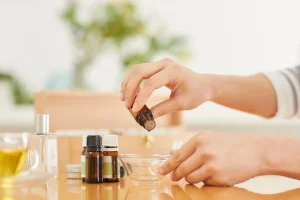
Essential oils may help soothe symptoms of allergic rhinitis, according to one small randomized controlled trial.11Choi SY, Park K. Corrigendum to “Effect of inhalation of aromatherapy oil on patients with perennial allergic rhinitis: a randomized controlled trial”. Evid Based Complement Alternat Med. 2016;2016:2103616. https://doi.org/10.1155/2016/2103616 Participants who inhaled a blend of sandalwood, ravensara, and frankincense oils for five minutes twice daily over seven days experienced significant relief compared with those who used an almond oil placebo.
Other non-medicinal remedies
Acupuncture

Acupuncture is widely used in complementary and alternative medicine to alleviate seasonal allergy symptoms. By stimulating specific points on the body, acupuncture is believed to help regulate immune function, reduce inflammation, and calm symptoms such as nasal congestion, sneezing, and itchy eyes. Several studies suggest the practice may serve as a supportive therapy for people seeking non-pharmacological relief.12Xue CC, English R, Zhang JJ, Da Costa C, Li CG. Effect of acupuncture in the treatment of seasonal allergic rhinitis: a randomized controlled clinical trial. Am J Chin Med. 2002;30(1):1-11. https://doi.org/10.1142/S0192415X0200020X
Neti pots
Nasal irrigation with a neti pot or spray helps flush the nasal passages, where dirt and pollen are easily trapped.
A nasal rinse can reduce coughing, sneezing, and watery eyes associated with allergic rhinitis. It’s important not to overuse rinses, however, as they may wash away healthy flora in the nasal cavity. Always use distilled water, not tap water, when creating a saline solution at home.
Should you avoid going outside during allergy season?
To limit pollen exposure, start by checking your local pollen forecast. If levels are particularly high, plan outdoor activities for another time. Pollen counts tend to peak around midday.
Air pollution can also worsen allergy symptoms, as chemical pollutants interact with pollen grains, intensifying their effects on sensitive individuals. When exercising outdoors, consider wearing a mask to minimize inhalation of pollen and other airborne irritants.
Don’t overlook vitamin D
Avoiding sunlight for too long may lead to vitamin D deficiency, a factor linked in several studies to asthma and other allergic conditions.13Mirzakhani H, Al-Garawi A, Weiss ST, Litonjua AA. Vitamin D and the development of allergic disease: how important is it? Clin Exp Allergy. 2015 Jan;45(1):114-25. https://doi.org/10.1111/cea.12430 If sun exposure is limited, vitamin D supplements can help. They’re available in pill form, and because the vitamin is fat-soluble, it can also be applied topically through creams or lotions.
Is climate change extending pollen season?
Warmer temperatures linked to climate change are stretching pollen season across much of the United States. According to the Allergy and Asthma Foundation of America, pollen swells now last an average of 11 to 27 days more than they did in previous decades. Longer growing seasons mean more time for plants to release pollen, which can prolong allergy symptoms and increase overall exposure.
Are seasonal allergies a concern indoors?
Even after coming inside, allergens can linger. It’s a good idea to shower and change clothes after spending time outdoors to remove any pollen that may have settled on your hair, skin, or clothing. Pollen grains can easily cling to fabrics and continue to trigger symptoms long after you’re indoors.
However, indoor environments can also harbor triggers such as pet dander, mold, and dust mites. Pollen and other allergens travel inside through open windows or air conditioning systems, making indoor air quality just as important to manage as outdoor exposure.
Do air filters and vacuums really make a difference?

High-efficiency particulate air (HEPA) filters can significantly reduce indoor allergens such as pet dander and pollen, helping to alleviate symptoms while improving air quality.
If you don’t already own an air purifier, you can easily build a DIY version with a box fan, a MERV 13–rated filter, and some tape. Using a vacuum cleaner equipped with a HEPA filter helps trap allergens.
Risks of OTC allergy pills
It may take time for natural allergy remedies to reach full efficacy. Some patients find relief from over-the-counter (OTC) medication for a short time while natural approaches take effect. But long-term OTC use has its risks. In a 2015 study, researchers describe a link between prolonged use of antihistamines like diphenhydramine and loratadine and dementia. OTC allergy drugs may also cause severe reactions or issues when taken with other medicines.14Gray SL, Anderson ML, Dublin S, et al. Cumulative use of strong anticholinergics and incident dementia: a prospective cohort study. JAMA Intern Med. 2015 Mar;175(3):401-7. https://doi.org/10.1001/jamainternmed.2014.7663
Special thanks to Chrysanthi Kazantzis, ND, MS (Dr. Kaz), for contributing to this article.
Footnotes
- 1Price A, Ramachandran S, Smith GP, Stevenson ML, Pomeranz MK, Cohen DE. Oral allergy syndrome (pollen-food allergy syndrome). Dermatitis. 2015 Mar-Apr;26(2):78-88. https://doi.org/10.1097/DER.0000000000000087
- 2Parvez S, Malik KA, Ah Kang S, Kim HY. Probiotics and their fermented food products are beneficial for health. J Appl Microbiol. 2006 Jun;100(6):1171-85. https://doi.org/10.1111/j.1365-2672.2006.02963.x
- 3Baran J, Sobiepanek A, Mazurkiewicz-Pisarek A, et al. Mast cells as a target—a comprehensive review of recent therapeutic approaches. Cells. 2023 Apr 19;12(8):1187. https://doi.org/10.3390/cells12081187
- 4Kawasaki M, Toyoda M, Teshima R, Sawada J, Saito Y. Effect of alpha-linolenic acid on the metabolism of omega-3 and omega-6 polyunsaturated fatty acids and histamine release in RBL-2H3 cells. Biol Pharm Bull. 1994 Oct;17(10):1321-5. https://doi.org/10.1248/bpb.17.1321
- 5Werner R, Carnazza M, Li XM, Yang N. Effect of small-molecule natural compounds on pathologic mast cell/basophil activation in allergic diseases. Cells. 2024 Dec 3;13(23):1994. https://doi.org/10.3390/cells13231994
- 6Roschek B Jr, Fink RC, McMichael M, Alberte RS. Nettle extract (Urtica dioica) affects key receptors and enzymes associated with allergic rhinitis. Phytother Res. 2009 Jul;23(7):920-6. https://doi.org/10.1002/ptr.2763
- 7Mlcek J, Jurikova T, Skrovankova S, Sochor J. Quercetin and its anti-allergic immune response. Molecules. 2016 May 12;21(5):623. https://doi.org/10.3390/molecules21050623
- 8Jafarinia M, Sadat Hosseini M, Kasiri N, et al. Quercetin with the potential effect on allergic diseases. Allergy Asthma Clin Immunol. 2020 May 14;16:36. https://doi.org/10.1186/s13223-020-00434-0
- 9Lane C, Redding D, Gonzalez K, et al. Topical N-acetyl cysteine (NAC) reduces late phase nasal symptoms following ragweed challenge. J Allergy Clin Immunol. 2009;123:0. https://www.jacionline.org/article/S0091-6749(08)02592-X/fulltext
- 10Ohishi T, Goto S, Monira P, Isemura M, Nakamura Y. Anti-inflammatory action of green tea. Antiinflamm Antiallergy Agents Med Chem. 2016;15(2):74-90. https://doi.org/10.2174/1871523015666160915154443
- 11Choi SY, Park K. Corrigendum to “Effect of inhalation of aromatherapy oil on patients with perennial allergic rhinitis: a randomized controlled trial”. Evid Based Complement Alternat Med. 2016;2016:2103616. https://doi.org/10.1155/2016/2103616
- 12Xue CC, English R, Zhang JJ, Da Costa C, Li CG. Effect of acupuncture in the treatment of seasonal allergic rhinitis: a randomized controlled clinical trial. Am J Chin Med. 2002;30(1):1-11. https://doi.org/10.1142/S0192415X0200020X
- 13Mirzakhani H, Al-Garawi A, Weiss ST, Litonjua AA. Vitamin D and the development of allergic disease: how important is it? Clin Exp Allergy. 2015 Jan;45(1):114-25. https://doi.org/10.1111/cea.12430
- 14Gray SL, Anderson ML, Dublin S, et al. Cumulative use of strong anticholinergics and incident dementia: a prospective cohort study. JAMA Intern Med. 2015 Mar;175(3):401-7. https://doi.org/10.1001/jamainternmed.2014.7663