You eat healthy foods, you exercise and if you have children or pets, you’ve baby proofed or animal proofed your home. All excellent actions. But what about making your home a safer place from toxins? And what is the best way to lower toxin exposure? We’ve tapped into the wisdom of our experts to find out how to detox your home and your life.
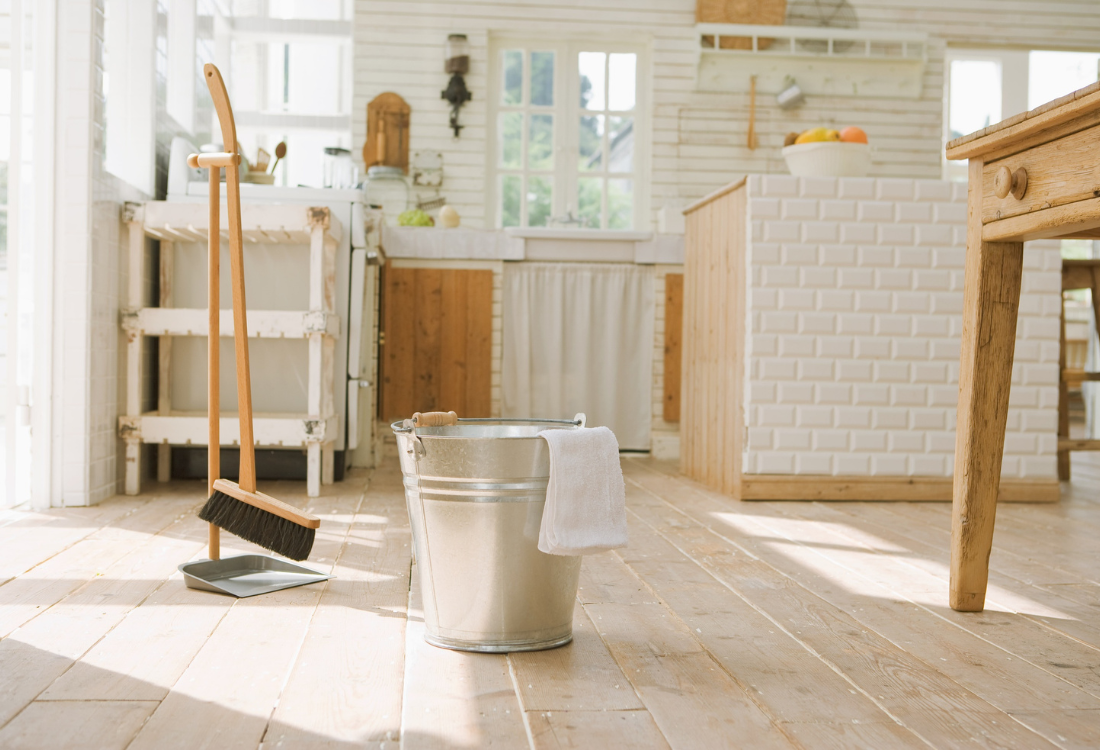
- Throw out chemical cleaning products and replace them with household cleaners made from natural ingredients. Nature has its very own list of disinfectant ingredients that don’t need to be made in a chemical laboratory. And, Dr. Christian Gonzalez explains in this video, don’t believe everything you read on product labels, some cleaning product brands products use “green washing” labels and terms, meaning they are wanna-be-products, but are not actually safer for you or the environment. For a list of approved green cleaning brands, check out the Environmental Working Group’s guide to safe cleaning products here.
- Or, if you prefer, try this simple and affordable recipe for a surface cleaner and disinfectant. Natural household cleaner recipe: mix in a 12-ounce spray bottle: ½ cup white vinegar, 2 Tablespoons baking soda, 30 drops of an essential oil with disinfecting properties, such as cinnamon, eucalyptus, lemon, oregano, peppermint, thyme.
- Get rid of your old couch or replace the cushions. Replacing an old couch or just the cushions with a new fill that is free of flame retardants can significantly lower toxin exposure. A study from the journal Environmental International reports that when people replace their old couch or cushions with new ones that have no added flame retardants, the levels of the harmful chemicals in household dust drop significantly.
- “We’ve long suspected that couches are a major source of toxic chemicals in dust. Now, for the first time, we have evidence demonstrating the positive impacts of replacing old furniture containing flame retardants,” says lead author Kathryn Rodgers, a research scientist at Silent Spring Institute. If you wait until after June 25, 2021, all new sofas will be free of flame retardants. Under a new federal bill, all upholstered furniture imported or sold in the United States will not contain flame retardants.
- Switch to glass and stainless food and water storage containers. As you will hear in the video with Joe Pizzorno, ND, plastics are everywhere, including can linings, clothing, bottles and food storage containers. In the past, the emphasis has been to remove Bisphenol A (BPA) in plastics because they disrupt the body’s endocrine system, which can contribute to cancer, thyroid, obesity, reproductive and neurological health risks in adults and children.
- However, when BPA was banned, more than 50 other chemicals like bisphenol S and bisphenol F were introduced. No one is certain about the health effects of these new plastics. As Dr. Pizzorno discusses in this video, they may be as or more damaging to health than BPA. The only way to reduce exposure is to avoid plastic food packaging and storage containers by switching to glass and stainless.
- Buy a good water filter for your drinking and shower water. Do you know the quality of your home drinking water? Most people do not, but here is a helpful chart by zip code from the Environmental Working Group (click here to pop in your zip code for water quality ranking).
- While you may not have control of the quality of your home drinking water, you can reduce your exposure to lead, arsenic and other unwanted toxins by investing in a water filter. There are whole house systems, filters for showers and affordable water pitchers get rid of harmful toxins that may be in your water. We like this independent water filter review fromPopular Mechanics magazine.
- Filter the air in your home. We are all spending more time indoors, which means that home air quality may need to be adjusted to clean it up. Change your air filters often and use the thickest filter your furnace can accommodate. Consumer Reports has a good guide here. We also have a quick and inexpensive hack from Paul Perscu, ND to clean the air in your home using a household fan (click here).
Lastly, remember that toxins linger everywhere. Our bodies are equipped to help rid our blood, cells and tissue from many toxins. However, as Dr. Christian talks about, the routes and organs our body uses to detoxify become overburdened. The science is unquestionable, illness may occur from over exposure to heavy metals, air pollutants and cigarettes, fertilizers, pesticides and herbicides and even constant unrelenting stress. Naturopathic doctors are specially trained to detoxify the body of specific toxins, however this is a very complex process that takes a very long time to repair. It’s best to avoid the toxin in the first place.