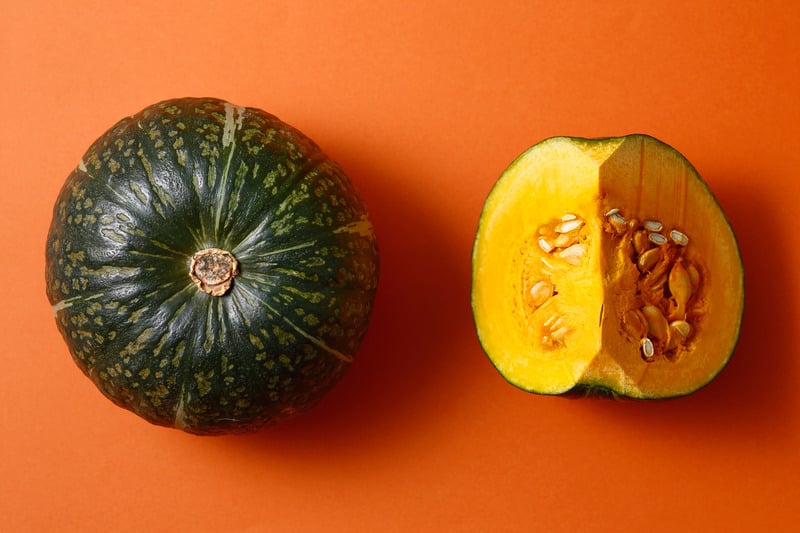
Squash is a great example of how to make the most of whole foods. Its flesh is delicious and nutritious, and the seeds provide extra nutritional value. The next time you clean out a squash, save the seeds for a crispy, easy-to-prepare snack.
Toasted squash seeds are delightful straight out of the oven. Crunchy and nutty, they’re easy to customize with your favorite seasonings. The seeds are also a great addition to salads, soups, roasted vegetables, and homemade trail mix.
Squash seeds have myriad essential nutrients, including plant-based protein, healthy fats, magnesium, zinc, and iron.
Are all squash seeds edible?
Seeds from culinary squash are generally edible when properly cleaned and cooked. Ornamental gourds and some wild varieties may not be safe to eat; however, most types work:
- Butternut squash
- Acorn squash
- Spaghetti squash
- Delicata squash
- Kabocha squash
Pumpkins belong to the same botanical family as squash, which is why their seeds look alike and are prepared similarly.
What nutrients do squash contain?
Squash seeds are an incredibly wholesome snack or meal topper. Although their nutritional composition varies by type and whether you eat them with or without the hull, they contain numerous important vitamins, minerals, and macronutrients.
They’re a great source of plant protein
Powering up on protein is more than a trend. Protein is crucial, not only for building and maintaining muscles, but also for facilitating multiple functions throughout the body. If you’re looking to boost your protein intake, squash seeds are an easy way to start.
They have healthy fats
Squash seeds contain unsaturated fats, including monounsaturated and polyunsaturated fatty acids. Replacing some saturated fats with healthier options can help protect your heart.
They are rich in magnesium
Magnesium is an essential mineral involved in hundreds of bodily processes. It supports normal muscle and nerve function, energy production, bone health, and blood pressure regulation.
They provide zinc and iron
Zinc is great for immune function, faster wound healing, and normal cell growth. Iron is necessary to produce hemoglobin, the protein in red blood cells that moves oxygen throughout the body.
They have dietary fiber
The seed’s outer hull contains most of its dietary fiber. Fiber is a must for digestive health and helps maintain normal bowel function.
More health benefits of eating squash
Squash’s nutritional perks aren’t limited to the seeds.
Winter squash flesh in particular has a complex nutritional profile. Depending on the variety, it boasts fiber, vitamin C, potassium, and carotenoids like beta-carotene. The body converts beta-carotene into vitamin A for eye health, immune function, and glowing skin.
A fruit- and veggie-forward anti-inflammatory diet is also associated with better cardiovascular health and a lower risk of chronic disease.
How to roast squash seeds
Preparing squash seeds is easy, although separating them from the stringy pulp takes patience.
Here’s how to get them ready:
1. Separate seeds from the pulp.
Place the flesh and seeds in a bowl. Use your fingers to pull seeds away from the pulp. A bowl of cool water can quicken the process, as seeds tend to detach more easily.
2. Rinse the seeds.
Place seeds in a strainer and rinse them under cool water. Remove any residual pulp pieces.
3. Thoroughly dry seeds.
Spread clean seeds on a kitchen towel or paper towels, pat them dry, and let excess moisture evaporate. *This is an important step.* Wet seeds won’t have the same crisp texture when roasted.
4. Add oil and seasonings.
Olive oil and a little salt do the trick, but it’s fun to experiment with different flavors. Garlic powder, cinnamon, paprika, and black pepper are all solid choices. If you’re feeling more creative, try an unexpected combo:
- Sweet & seasonal: Cinnamon and a drizzle of maple syrup
- Earthy: Smoked paprika and a sprinkle of salt
- Herby: Rosemary, thyme, and olive oil
- Warm & spicy: A pinch of cayenne pepper and smoked paprika
5. Roast until golden and crisp.
Spread the seeds in a single layer on a baking sheet. Roast, stirring occasionally, until they are lightly browned and crunchy. Cooking time depends on the size and moisture content of the seeds.
Allow them to cool before enjoying.
Storing roasted squash seeds
Once your squash seeds have cooled completely, store them in an airtight container at room temperature for up to a week. You can also keep them in the fridge for about two months or freezer for up to three months.
Other ways to enjoy squash seeds
Roasted squash seeds are delicious on their own. Here are more ways to use them:
- Sprinkle seeds over a bowl of butternut squash or pumpkin soup.
- Add them to salads for extra crunch.
- Toss them with roasted vegetables.
- Stir them into homemade granola.
- Add seeds to oatmeal or yogurt.
- Use them as a crunchy topping for grain bowls.
Frequently asked questions about squash seeds
Can you eat squash seeds raw?
Raw squash seeds are edible, but roasting improves their flavor and texture. Raw seeds can be somewhat chewy. Heat brings the crunch and intensifies their natural nuttiness.
Can you eat the shells?
Seeds from most culinary squash varieties have edible outer hulls. They become pleasantly crunchy when properly roasted. If you prefer a softer texture, remove the hull and eat the inner kernel.
Do squash seeds need to be soaked before roasting?
Soaking isn’t necessary. The most important preparation step is removing the pulp and drying seeds thoroughly before roasting.
Don’t toss those squash seeds!
Squash seeds are too good to waste. The next time you’re making butternut squash soup, roasting an acorn squash, or spiraling spaghetti squash, save the seeds for a delicious, nutrient-dense homemade snack.
Now, let’s roast some squash seeds.

Roasted, Toasted Squash Seeds
Ingredients
- Squash seeds from one medium squash
- Tamari (optional)
Instructions
- Preheat your oven to 250 degrees.
- Scoop out the seed-filled insides of the squash. Place seeds in a small strainer and rinse them with cool water while separating and discarding the pulpy strands. Don’t worry if a little stubborn squash pulp clings to seeds. It will crisp up after baking and can be easily removed. Pat seeds dry.
- Spread a single layer of seeds on a baking sheet. No need to spray the pan with oil!
- Bake seeds for 15–30 minutes, until they begin to pop. Roasting at low heat helps preserve fatty acids and prevents burning.
- When the seeds are hot, but have dried out a bit, carefully sprinkle on a dash of tamari. Let them sizzle a few minutes more.
- Watch the seeds closely, periodically shifting them on the pan. They will burn as moisture escapes and the nutty flavor concentrates.
- Let the browned seeds cool. Store in small glass jars. Top stuffed squash with the toasted seeds—a great way to show kids how to use up a whole vegetable.